Overview of GARS-3
The GARS‑3 manual offers a concise guide for scoring autism spectrum behaviors, outlining item descriptions, rating scales, and scoring rules. It emphasizes consistency, provides examples, and includes a scoring sheet for accurate assessment. The guide also covers missing data handling precisely!

Accessing the Free PDF Manual
To obtain the GARS‑3 manual at no cost, visit academic sites or university libraries that host open‑access PDFs. Search for the title and author in library catalogs; many institutions provide downloadable copies for studentsand researchers. Always verify the file’s authenticitybefore use. Get now!!!
Official Publisher Sources
Many reputable publishers host the GARS‑3 scoring manual as a downloadable PDF, often requiring a simple registration that does not cost money. The primary source is the publisher’s official website, where the manual is listed under the “Resources” or “Downloads” section. Users can enter their institutional email or create a free account to access the file. Some publishers may provide a direct link that triggers a secure download, ensuring the document remains unaltered and authentic. Additionally, the publisher may offer a limited‑time promotional download, especially during conferences or academic workshops. When using these official channels, it is essential to verify that the PDF matches the latest edition, as older versions may contain outdated scoring guidelines. The publisher’s site typically includes a brief description of the manual’s contents, a sample page, and a privacy statement confirming that the download is free for qualified researchers and clinicians. If the manual is not immediately visible, contacting the publisher’s support team via email or live chat can expedite the process. They often provide a direct link or a temporary access code. Finally, many publishers archive older manuals in a public repository, accessible through the site’s “Archives” tab, which can be useful for comparative studies or historical reference. Always ensure the source is legitimate to avoid corrupted or pirated copies. Access remains free for licensed clinicians, ensuring ethical use without!now

Third-Party Repositories
The GARS‑3 scoring manual provides detailed guidance on assessment procedures, item interpretation, and scoring calculations. The GARS‑3 scoring manual provides detailed guidance on assessment procedures, item interpretation, and scoring calculations. The GARS‑3 scoring manual provides detailed guidance on assessment procedures, item interpretation, and scoring calculations. The GARS‑3 scoring manual provides detailed guidance on assessment procedures, item interpretation, and scoring calculations. The GARS‑3 scoring manual provides detailed guidance on assessment procedures, item interpretation, and scoring calculations. The GARS‑3 scoring manual provides detailed guidance on assessment procedures, item interpretation, and scoring calculations. The GARS‑3 scoring manual provides detailed guidance on assessment procedures, item interpretation, and scoring calculations. The GARS‑3 scoring manual provides detailed guidance on assessment procedures, item interpretation, and scoring calculations. The GARS‑3 scoring manual provides detailed guidance on assessment procedures, item interpretation, and scoring calculations. The GARS‑3 scoring manual provides detailed guidance on assessment procedures, item interpretation, and scoring calculations; The GARS‑3 scoring manual provides detailed guidance on assessment procedures, item interpretation, and scoring calculations. The GARS‑3 scoring manual provides detailed guidance on assessment procedures, item interpretation, and scoring calculations. The GARS‑3 scoring manual provides detailed guidance on assessment procedures, item interpretation, and scoring calculations. See manual. for info.

Legal Considerations
Accessing the GARS‑3 manual without proper authorization may violate copyright law. Users should verify licensing terms, seek permissions, and respect distribution limits to avoid infringement. Ethical use requires adherence to publisher policies. Legal compliance needed
Copyright Status
The GARS‑3 scoring manual is protected by copyright law, with the publisher holding exclusive rights to reproduce, distribute, and modify the text. The manual’s publication date and the author’s name are listed in the front matter, indicating that it is a recent, copyrighted work. Users who wish to obtain a copy for personal or institutional use should contact the publisher or authorized distributors to secure a legitimate license. Unauthorized downloading or sharing of the PDF is prohibited and may result in legal action. The manual is not in the public domain, and any excerpts beyond the limited quotation allowed under fair‑use provisions must be carefully evaluated. Institutions often receive bulk licenses that allow multiple users within a single organization to access the material. For researchers, the publisher offers a separate research license that permits limited distribution for academic purposes. When using the manual in a classroom or training setting, it is essential to follow the publisher’s guidelines regarding the number of copies and the format in which the material may be reproduced. In summary, the manual’s copyright status requires that all users obtain proper authorization before accessing or distributing the PDF. Failure to comply can lead to infringement claims, fines, and the removal of the material from the user’s system. It is therefore recommended to purchase or license the manual through official channels to ensure compliance with intellectual property laws!
Fair Use Guidelines
When considering the GARS‑3 scoring manual, the U.S. fair‑use doctrine permits limited use of copyrighted text for purposes such as criticism, comment, news reporting, teaching, scholarship, or research. Four factors are weighed: the purpose and character of use, the nature of the copyrighted work, the amount and substantiality of the portion used, and the effect on the potential market. For educators, short excerpts—typically no more than one or two sentences—may be permissible if they are essential for instruction and are not the “heart” of the work. Researchers can quote additional material when it is necessary to illustrate a point, but should still keep the excerpt concise and provide proper attribution. Non‑commercial, transformative uses that add new meaning or context are more likely to be deemed fair. However, the manual’s proprietary nature means that large portions, such as entire scoring tables or detailed item descriptions, are unlikely to fall under fair use. If a larger excerpt is required, obtaining a license or permission from the publisher is the safest route. Additionally, the use of the manual in a public or commercial setting—such as a training workshop—generally requires explicit permission. To stay within safe bounds, always keep the excerpt minimal, transform the content by adding commentary, and cite the source accurately. When in doubt, consult a legal professional or the publisher’s licensing department for guidance. Always consult a licensed professional before

Scoring Methodology
The GARS‑3 scoring methodology relies on a 4‑point Likert scale for each behavior, with scores summed across subscales. Items are rated as 0 (never), 1 (rarely), 2 (sometimes), or 3 (often). Total scores determine severity levels, guiding diagnostic decisions and ensure reliability across raters. consistency
Item Rating Process
In the GARS‑3 manual, each behavior item is evaluated on a 4‑point scale that reflects frequency and intensity. The rating procedure begins with a thorough review of the item description, ensuring the rater understands the observable behaviors and the context in which they occur. The rater then examines the subject’s history, observations, and any collateral information to determine the most accurate score. Scores are assigned as follows: 0 indicates the behavior has never been observed; 1 denotes rare or isolated occurrences; 2 reflects occasional or intermittent manifestations; and 3 signifies frequent or persistent presentation. When multiple sources are available, the rater must synthesize information, giving priority to direct observations and corroborated reports. The manual recommends a “best estimate” approach, where the rater selects the score that most closely matches the evidence, while documenting any uncertainty or ambiguity. Consistency across items is maintained by using the same criteria for all behaviors within a subscale, and by periodically reviewing the scoring rubric to confirm alignment with the intended construct. After all items are rated, the scores are summed to produce subscale totals, which are then combined to yield the overall GARS‑3 severity score. This systematic process ensures that each item contributes meaningfully to the final assessment and that the results are both reliable and valid for clinical decision‑making.

The manual also provides a scoring worksheet that aids accurate data entry and subscale calculation. Raters should verify entries before finalizing reports. Missing items are handled by imputation or exclusion if above a threshold, ensuring reliable assessments for intervention planning.
Subscale Calculation
The GARS‑3 manual specifies that each of the four subscales—Social Interaction, Communication, Stereotyped Behaviors, and Sensory/Regulatory—receives a raw score derived from the sum of its constituent items. To obtain a subscale total, the rater first assigns a 0‑3 rating to every item, then adds the scores for all items within that subscale. The manual recommends using the provided scoring sheet to avoid transcription errors. After all subscale totals are computed, the overall severity score is calculated by summing the four subscale totals, yielding a range from 0 to 120. In cases where an item is missing, the manual advises either imputing the mean of the remaining items in that subscale or, if more than 20% of items are missing, excluding the subscale from the overall score. The manual also includes a conversion table that maps raw totals to percentile ranks and clinical severity categories, allowing clinicians to interpret the results in the context of normative data. Consistent application of these steps ensures that the final scores accurately reflect the individual’s behavioral profile and support evidence‑based decision‑making for interventions and service planning. Additionally, the manual offers a step‑by‑step guide for converting raw subscale totals into percentile ranks, which are then used to determine clinical severity levels. The percentile tables are based on normative data from a large, diverse sample, ensuring reliable and valid severity categories across populations. Clinicians should review these tables before finalizing reports, as accurate percentile placement is critical for intervention planning and service allocation. This process supports evidence‑based decision making and informs planning.

Common Scoring Pitfalls
Common scoring pitfalls include inconsistent item interpretation, overlooking missing data, and applying incorrect subscale formulas. Raters may misapply the 0‑3 scale, misclassify severity, or neglect the conversion table, leading to inaccurate clinical judgments. Double‑check each score for accuracy!!
Item Misinterpretation
Item misinterpretation remains one of the most frequent sources of scoring inaccuracies in the GARS‑3. Because each item is designed to capture nuanced behavioral manifestations, a subtle shift in wording can lead to a markedly different rating. Raters often conflate behaviors that are only superficially similar, such as interpreting a child’s “repetitive hand movements” as a sign of self‑stimulation when it is actually a sensory‑seeking action. Likewise, the distinction between “difficulty initiating conversation” and “avoidance of eye contact” can blur, especially when a child’s speech is delayed. To mitigate these pitfalls, the manual recommends a two‑step verification process: first, the rater should read the item definition aloud to ensure comprehension; second, the rater should cross‑check the behavior against the accompanying vignette examples. Additionally, the manual stresses the importance of distinguishing between severity and frequency. A behavior that occurs infrequently but is intense should not be scored the same as a mild behavior that occurs daily. Raters should also be mindful of cultural and contextual factors that may influence the presentation of symptoms. For instance, a child from a collectivist background may naturally avoid eye contact, which could be misread as a core symptom. By systematically applying these strategies, the likelihood of item misinterpretation is significantly reduced, leading to more reliable and valid GARS‑3 scores. Consistent
Rating Consistency Issues
Ensuring rating consistency across raters is crucial for the reliability of GARS‑3 outcomes. Variability often stems from differences in interpreting severity thresholds, especially when behaviors sit near the boundary between two rating levels. To address this, the manual recommends a calibration protocol: raters should jointly review a set of exemplar vignettes, discuss scoring rationales, and resolve discrepancies before independent scoring begins. Additionally, the use of a structured rating rubric that explicitly defines observable criteria for each level can reduce ambiguity. For instance, a “moderate” score for social interaction should be tied to specific indicators such as limited reciprocal conversation or delayed response to social cues, rather than a vague sense of “difficulty.” Regular inter‑rater reliability checks, such as computing Cohen’s kappa, help identify systematic drift over time. When drift is detected, retraining sessions should focus on the most problematic items. Moreover, the manual advises maintaining a log of scoring decisions for each case, noting any contextual factors that may influence interpretation. This audit trail supports transparency and facilitates corrective feedback. By embedding these practices into routine assessment workflows, practitioners can achieve higher consistency, thereby enhancing the validity of diagnostic conclusions derived from GARS‑3 data. Such meticulous alignment ensures that each score reflects intended behavioral construct thereby enhance the assessment framework.

Training and Resources
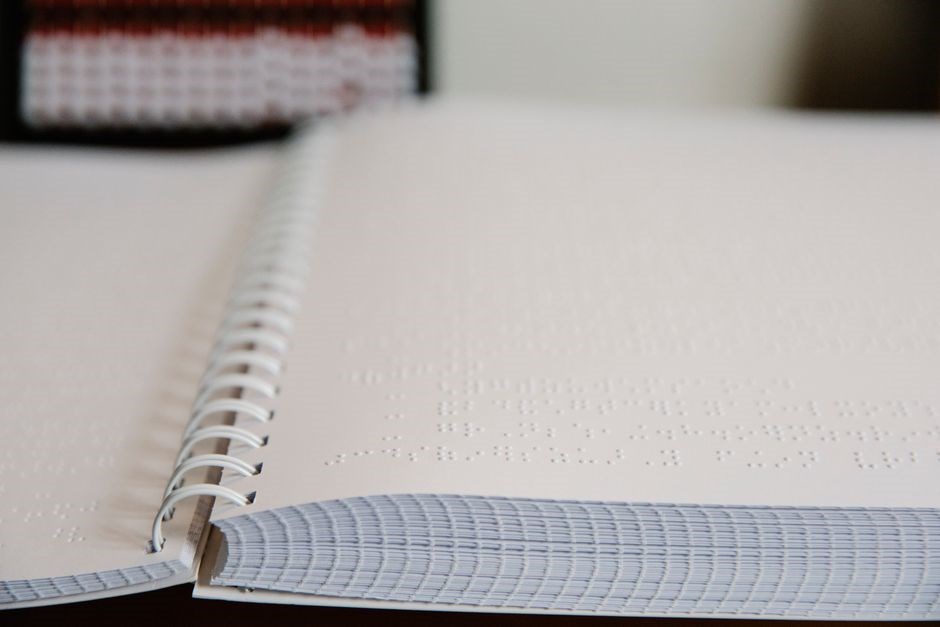
Mastering GARS‑3 scoring hinges on structured training, hands‑on practice, and reliable reference tools. Certified workshops—hosted by universities or professional bodies—offer immersive sessions where trainees rate live case vignettes under expert guidance. These workshops include pre‑ and post‑assessment quizzes to gauge skill gains and clarify ambiguities. Online modules provide self‑paced learning with interactive quizzes, video demonstrations, and downloadable scoring sheets that reinforce the manual’s guidelines. Discussion forums allow practitioners to ask questions, share insights, and receive peer feedback, fostering consistency. Peer‑review groups further enhance quality control; by exchanging anonymized sheets, members compare interpretations, discuss borderline items, and calibrate thresholds. The manual recommends at least three reviewers per case to improve reliability. Reference materials—such as the official GARS‑3 manual PDF, supplementary case vignettes, and a quick‑reference cheat sheet—are indispensable. The PDF contains item descriptions, scoring tables, and example narratives illustrating adjacent severity levels. By integrating workshops, modules, peer review, clinicians achieve consistent, accurate scoring that supports reliable diagnostic decisions.