Overview of Manual Transmission Swaps
Manual swaps vary widely. A donor transmission can cost $300‑$1‚200‚ while a new unit may reach $2‚500. Add a clutch ($200‑$500) and shifter ($50‑$150). Labor averages 10‑15 hours; rates $80‑$120/hr‚ totaling $800‑$1‚800. Total cost ranges $2‚500‑$6‚000. DIY cuts cost by 20%.
Definition and Scope
A manual transmission swap is the process of replacing an existing automatic gearbox with a manual unit‚ typically to improve driving engagement or performance. The scope includes selecting a compatible donor or new transmission‚ ensuring the bell housing and driveshaft align‚ installing a new clutch assembly‚ adapting the shifter and linkage‚ and reprogramming or replacing the engine control unit (ECU) to accommodate the manual torque‑converter or torque‑converter‑free operation. Costs vary based on vehicle make‚ model‚ and geographic labor rates‚ and may also involve additional components such as a new flywheel‚ torque converter‚ or transmission mount. The swap can be performed by a professional shop or a skilled DIYer‚ with the latter potentially reducing labor expenses but requiring specialized tools and knowledge of vehicle electronics. The overall budget typically ranges from a few thousand dollars for a donor‑based‚ DIY approach to upwards of $10‚000 for a new transmission‚ custom ECU work‚ and professional labor. Additionally‚ the swap may require modifications to the rear differential or axle housing‚ and in some cases‚ a new torque converter or a converter‑free clutch kit. Proper alignment of the driveshaft and careful torque specifications are essential to avoid premature wear. Documentation of the swap‚ including part numbers and service bulletins‚ is advisable for future maintenance and resale value. Owners should verify that vehicle’s transmission tunnel and rear axle housing accommodate bell housing‚ as mismatches lead modifications!!
Core Components and Their Costs
Transmission parts range $300‑$2‚500 for donor or new units; clutch assemblies add $200‑$500; shifter kits $50‑$150; ECU reflash $100‑$300. Total component budget typically $650‑$3‚450‚ depending on vehicle and source. All costs vary. and.
Transmission (Donor vs New)
When swapping a manual into a vehicle originally equipped with an automatic‚ the first decision is whether to use a donor transmission or purchase a brand‑new unit. A donor from a similar model or era can be found on classifieds or salvage yards for as low as $300–$700‚ though the price rises to $1‚200–$1‚800 for higher‑torque or performance variants. These used units often require re‑gasketing‚ new seals‚ and sometimes a rebuilt clutch assembly‚ adding $200–$400 to the bill. In contrast‚ a new transmission—whether a factory rebuild or a new OEM part—typically costs between $1‚800 and $3‚500. The higher upfront cost is offset by a longer expected lifespan and reduced risk of hidden defects. For many DIY enthusiasts‚ the donor route offers the most economical path‚ especially when paired with a clutch kit that costs $200–$500. Professional shops may quote $2‚000–$3‚000 for a donor swap‚ whereas a new transmission installation can run $3‚500–$5‚500‚ including parts and labor. Ultimately‚ the choice hinges on budget‚ vehicle age‚ and the desired reliability of the final build. If you opt for a DIY approach‚ sourcing parts from reputable salvage or online marketplaces can reduce costs‚ but you must factor in the time investment and potential hidden wear; a professional shop will provide a warranty and ensure proper alignment‚ which is critical for long‑term durability and safety. and a smooth driving experience. with joy.
Clutch Assembly
Clutch assemblies are the heart of a manual swap‚ and their price can swing from a few hundred dollars to over a thousand‚ depending on brand‚ torque rating‚ and whether you buy a complete kit or individual parts. A basic donor clutch set—flywheel‚ pressure plate‚ release bearing‚ and pedal assembly—typically costs between 2 and 4 hours‚ and at an average shop rate of $90–$110 per hour‚ the labor cost is $180–$440. When you add a new clutch disc‚ the total can reach $1‚200 or more‚ and the clutch’s torque rating must match the engine’s power output. For a full‚ high‑quality replacement‚ the total parts cost can range from $500 to $1‚500‚ and the total job—including labor—can run $800 to $2‚000. It’s essential to match the clutch’s torque capacity to the engine’s output; oversizing can lead to premature wear‚ while undersizing can cause slipping. Always verify the clutch’s specifications against the engine’s redline and torque curve before purchasing. By carefully selecting components that fit the engine’s power and the vehicle’s intended use‚ you can keep the swap within budget while ensuring reliable performance. Finally‚ consider the cost of a clutch master cylinder and slave cylinder if the original system is worn; these can add $30–$80 to the parts bill. A clutch kit with a new flywheel‚ pressure plate‚ and release bearing is a cost‑effective compromise‚ saving parts and labor!!
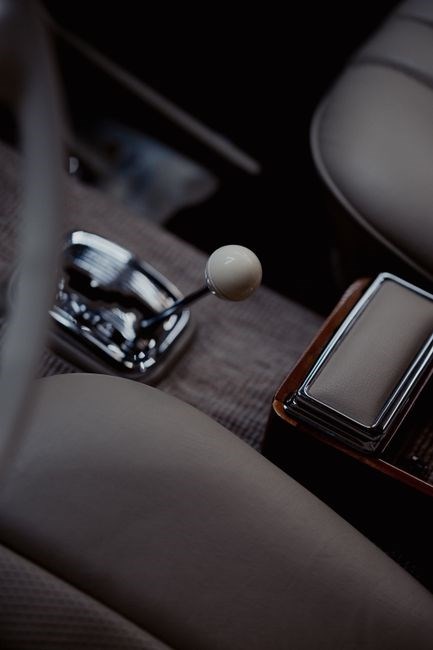
Shifter and linkage replacement is a critical component of any manual transmission swap. The cost of a new shifter kit—comprising the shift lever‚ selector shaft‚ and necessary linkages—typically ranges from $70 to $250‚ depending on whether the vehicle originally used a floor shifter‚ column shifter‚ or a transaxle‑mounted lever. For older models‚ a donor shifter from a compatible vehicle can be sourced for as little as $30‚ but the fitment may require custom mounting brackets or a new selector shaft. In addition to the shifter itself‚ the linkage system—often a series of rods‚ cables‚ or a hydraulic cylinder—must be matched to the new transmission’s bell housing. The linkage cost can add another $20 to $100‚ depending on the complexity of the routing and whether a hydraulic system is used. Labor for installing the shifter and linkage is modest‚ usually 1–2 hours at $80–$120/hr‚ translating to $80–$240. However‚ if the original linkage geometry is incompatible‚ a custom fabrication job may be required‚ which can push labor up to $400. Some DIY enthusiasts opt to fabricate a custom linkage using a 3‑D printer or CNC‑machined brackets‚ which can reduce parts costs but requires skill and time. The total cost for shifter and linkage—including parts and labor—generally falls between $200 and $700‚ with the upper end reserved for high‑performance vehicles that demand custom solutions. and it is cheap

Labor Considerations
Estimated labor ranges 10–15 hrs. Rates $80–$120/hr. Total labor cost $800–$1‚800. DIY saves 20–30% by handling disassembly and reassembly. Professional shops add overhead‚ quality checks‚ and warranty‚ raising cost to $1‚500–$3‚000. + 2 hrs. more
Labor Hours Estimate
Labor hours for a manual transmission swap depend on vehicle complexity‚ accessibility‚ and whether a donor or new unit is used. A typical swap on a compact or midsize sedan averages 10–12 hours for a skilled mechanic‚ while larger trucks or high‑performance models can push 14–18 hours. The process begins with removing the existing automatic trans‚ which often requires draining fluids‚ disconnecting driveshaft‚ and removing the bell housing. Next‚ the clutch assembly is installed‚ including the flywheel‚ pressure plate‚ and release bearing. The manual trans is then bolted in‚ followed by alignment of the driveshaft and installation of the shifter and linkage. Finally‚ the ECU must be reprogrammed or a new module installed to accommodate the manual gear ratios‚ and the entire system is tested for proper shift quality and torque delivery. If a shop uses a donor trans‚ additional time may be needed to match bell housing bolts and ensure proper fitment. A DIY enthusiast with a good shop tool kit can reduce labor by 30–40%‚ but will still need to allocate 8–10 hours for the mechanical work and an extra 2–3 hours for diagnostics and ECU tuning. In regions with higher labor rates‚ the hourly cost can add up quickly‚ making the total labor expense range from $800 to $1‚800 for a professional shop‚ or $600 to $1‚200 for a skilled DIY approach. This estimate excludes unforeseen complications. !!??
Regional Labor Rates
Labor rates vary across the United States‚ largely due to cost of living‚ local demand‚ and shop overhead. In the Midwest and Southern regions‚ average hourly labor for a transmission swap typically falls between $70 and $90‚ reflecting lower wage expectations and higher shop density. The Northeast and West Coast command higher rates‚ often ranging from $110 to $140 per hour‚ driven by higher living expenses and a concentration of specialty shops. Urban centers such as New York‚ San Francisco‚ and Los Angeles can see rates exceeding $150 per hour‚ especially for high‑performance or exotic vehicles. Rural areas may offer discounts‚ with rates as low as $55 to $75 per hour‚ but the trade‑off can be longer wait times and limited availability of specialized tools. For a 12‑hour swap‚ Midwest shops might charge $840 to $1‚080‚ while a West Coast shop could bill $1‚320 to $1‚680. These figures do not include parts‚ diagnostic fees‚ or potential reprogramming costs‚ which can add an additional 10–20% to the total bill. Shop reputation‚ warranty coverage‚ and the use of OEM versus aftermarket components also influence the final price. When budgeting‚ it is prudent to obtain multiple quotes and verify whether the quoted rate includes all labor‚ not just the mechanical work. Additionally‚ some shops offer flat‑rate packages for common swaps‚ which can simplify cost estimation and avoid hourly surprises.
Additional Expenses
ECU reprogramming ($200–$400)‚ bell housing adapters ($50–$150)‚ and toolkits ($100–$250) add $350–$800. Misc supplies—gaskets‚ fluid‚ alignment kits—add $100–$200‚ totaling $3‚000–$6‚000. and fees ($50–$150) raise the range to $3‚200–$6‚200.!!
ECU Reprogramming
Reprogramming the engine control unit (ECU) is a critical step when converting an automatic to a manual drivetrain. The ECU must be updated to recognize the new gear ratios‚ shift logic‚ and throttle response associated with a manual transmission. Most shops use a handheld diagnostic interface that connects to the vehicle’s OBD‑II port‚ reads the existing firmware‚ and then writes a new‚ custom map. The cost of this service varies by region and by the complexity of the vehicle’s powertrain. In the United States‚ a basic reflash can range from $150 to $300‚ while more advanced tuning—especially for high‑performance or turbocharged engines—can push the price to $500 or more. Some specialty shops offer a “one‑stop” package that includes both the mechanical swap and the ECU update for a bundled fee. DIY enthusiasts can purchase a standalone reflash tool for $200–$400 and a compatible software license for $50–$100‚ but they must have the technical skill to safely modify the ECU and ensure that the new map is properly calibrated. Failure to reprogram the ECU correctly can lead to drivability issues‚ reduced fuel economy‚ or even engine damage‚ so many owners opt for professional services despite the higher upfront cost. In addition to the direct reflash fee‚ there may be ancillary charges for diagnostic scans‚ data logging‚ and post‑installation verification‚ which can add $50–$100 to the total.
Bell Housing Compatibility
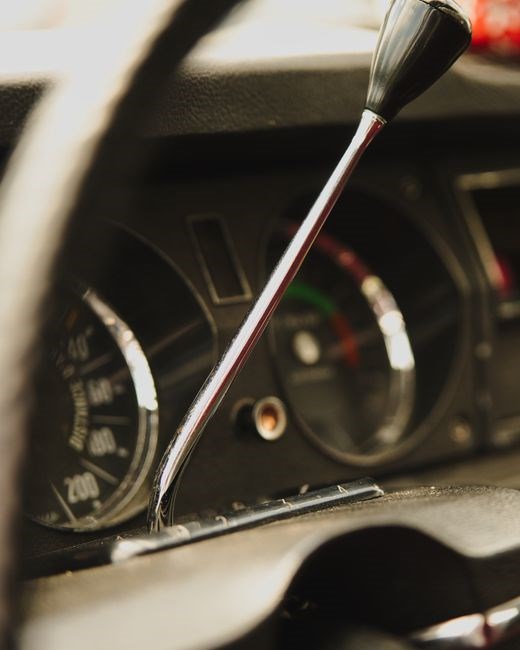
When swapping a manual transmission into a vehicle originally equipped with an automatic‚ the bell housing is often the first obstacle. The bell housing must mate to the engine block‚ the clutch assembly‚ and the driveshaft. Automatic and manual bell housings can differ in bolt pattern‚ centerline offset‚ and flange shape. If the manual bell housing does not line up with the driveshaft‚ the vehicle will either have a misaligned rear differential or require a custom adapter plate‚ which can add $200–$600 to the project. Many owners source a donor bell housing from a vehicle of the same model year and engine family; this guarantees a match. In cases where a donor is unavailable‚ a custom‑machined bell housing can be fabricated‚ but the cost can exceed $1‚000 and the process may take several weeks. Some aftermarket kits include a “bell housing adapter” that bridges the gap between the automatic and manual housings‚ but these are rarely available for older models and can be pricey. It is also essential to verify that the clutch disc and pressure plate are compatible with the bell housing’s inner diameter; mismatches can lead to clutch slippage or failure. Finally‚ the bell housing must be inspected for cracks or warping‚ which can be costly to repair or replace. The bell housing’s mounting bolts must match the engine’s crankshaft flange‚ and any misalignment can cause premature wear or catastrophic failure. Careful
Toolkits and Misc Supplies
For a manual transmission swap‚ a comprehensive toolkit is essential. A basic set includes a torque wrench‚ a ratchet and socket set with deep sockets‚ a breaker bar‚ a clutch alignment tool‚ and a bell housing adapter kit if the donor bell housing differs. Specialty tools such as a clutch pressure plate holder‚ a transmission jack‚ and a torque angle gauge are recommended for precise installation. In addition‚ a set of high‑strength bolts and a clutch slave cylinder kit are necessary for secure mounting. Miscellaneous supplies include high‑grade transmission fluid‚ a new clutch hydraulic fluid‚ a new flywheel or resurfacing kit‚ and a set of new gaskets and seals. A clutch release bearing and a new clutch pedal assembly may also be required if the original components are worn. For safety‚ a set of jack stands‚ a hydraulic jack‚ and a floor jack are indispensable. A shop manual or service guide for the specific vehicle model provides torque specifications and step‑by‑step instructions. Finally‚ a reliable shop light‚ a workbench‚ and a proper storage area for parts reduce the risk of damage and streamline the process. The total cost for a full toolkit and miscellaneous supplies ranges from $800 to $1‚500‚ depending on brand quality and whether you purchase new or used components.
Typical costs span $2‚500 to $6‚000‚ covering parts‚ labor‚ and ECU reprogramming. Prices vary by vehicle‚ labor rates‚ and whether you source donor parts for swap!
Case Studies
VW Vortex swap: donor manual‚ $3‚200 parts‚ $1‚200 labor‚ $200 ECU. BMW E30 swap: new manual‚ $4‚000 parts‚ $1‚500 labor‚ $300 tuning. DIY saves $500‚ but professional shops quote $6‚000 total. These examples illustrate typical ranges. for enthusiasts!!!
VW Vortex Manual Swap Cost
According to recent forum posts‚ a full manual swap on a VW Vortex typically involves sourcing a donor transmission‚ a clutch kit‚ shifter‚ and ECU reprogramming. A donor manual from a 2005–2008 Vortex can be found for $400–$700 on classifieds‚ while a new transmission may be found for $1‚800–$2‚500. The clutch assembly‚ including pressure plate‚ release bearing‚ and flywheel‚ averages $200–$400. Shifter and linkage parts are relatively inexpensive‚ around $50–$150. ECU reprogramming is essential to match the new gearbox; shops charge $200–$400 for this service. Labor is the largest variable: most shops estimate 10–12 hours at $80–$110 per hour‚ bringing labor costs to $800–$1‚320. Adding parts‚ ECU‚ and labor‚ the total cost ranges from $3‚650 to $5‚370. DIY enthusiasts can reduce costs by 20–30% by performing the mechanical work themselves‚ but they must still budget for the ECU tune and potential custom bell housing modifications. The overall cost is heavily influenced by the choice between a donor or new transmission‚ the condition of the donor‚ and the regional labor rates. For a complete swap‚ a budget of $4‚200–$5‚000 is realistic‚ while a more conservative estimate for a DIY project sits around $3‚200–$3‚800. The final price will vary based on the specific vehicle‚ the availability of donor parts‚ and whether the shop performs a full ECU reflash or a simpler mechanical installation. This estimate excludes unforeseen repairs and potential aftermarket upgrades and any additional diagnostic fees extra.
BMW E30 Manual Swap Cost
According to recent Reddit discussions and automotive forums‚ a manual transmission swap on a classic BMW E30 typically requires a donor gearbox‚ clutch kit‚ shifter assembly‚ and ECU reprogramming. A donor manual from a 1990–1995 E30 can be sourced for $300–$600‚ while a new transmission may cost $1‚200–$1‚800. The clutch assembly‚ including pressure plate‚ release bearing‚ and flywheel‚ averages $150–$300. Shifter and linkage parts are modest‚ around $30–$80. ECU reprogramming is essential to match the new gearbox and is usually priced at $200–$400. Labor is the largest variable: most shops estimate 12–15 hours at $90–$120 per hour‚ bringing labor costs to $1‚080–$1‚800. Adding parts‚ ECU‚ and labor‚ the total cost ranges from $3‚080 to $4‚480. DIY enthusiasts can reduce costs by 20–30% by performing the mechanical work themselves‚ but they must still budget for the ECU tune and potential custom bell housing modifications. The overall cost is heavily influenced by the choice between a donor or new transmission‚ the condition of the donor‚ and the regional labor rates. A realistic budget for a complete swap is $3‚500–$4‚500‚ while a more conservative estimate for a DIY project sits around $2‚800–$3‚400. This estimate excludes unforeseen repairs‚ additional diagnostics‚ or aftermarket upgrades. The swap’s success hinges on precise alignment‚ proper torque settings‚ and post diagnostics daily to ensure reliability