India’s diverse landforms and their evolution are explored in this chapter, utilizing the 2023-24 NCERT textbook and downloadable PDF resources․
Overview of the Chapter
This chapter, “Physical Features of India” for Class 9 Social Science, provides a comprehensive study of India’s diverse landscapes․ Students will delve into the formation of the Indian landmass, beginning with the foundational theory of plate tectonics․ The curriculum covers major physiographic divisions, including the majestic Himalayan Mountains, expansive Northern Plains, ancient Peninsular Plateau, arid Indian Desert, and dynamic Coastal Plains, alongside the unique Indian Islands․
Resources like aglasem․com offer downloadable NCERT book PDFs and supplementary materials, including notes from Study Rankers and practice worksheets․ These materials facilitate a deeper understanding of the geological processes and geographical features shaping India’s physical environment, preparing students for assessments and further exploration․
Importance of Studying Physical Features
Understanding India’s physical features is crucial for comprehending its climate, biodiversity, and economic activities․ Studying these landscapes, accessible through resources like the Class 9 NCERT textbook and downloadable PDFs from sites like aglasem․com, reveals how geographical formations influence human settlements and resource distribution․
Knowledge of plate tectonics and landform evolution, detailed in chapter notes (Study Rankers), provides context for India’s vulnerability to natural disasters and the sustainable management of its resources․ Furthermore, grasping these features aids in appreciating the regional diversity and interconnectedness within the nation, enhancing geographical literacy and analytical skills․
Geological Foundations
NCERT materials and PDF notes detail the theory of plate tectonics, explaining the formation of the Indian landmass and diverse rock types․
Theory of Plate Tectonics
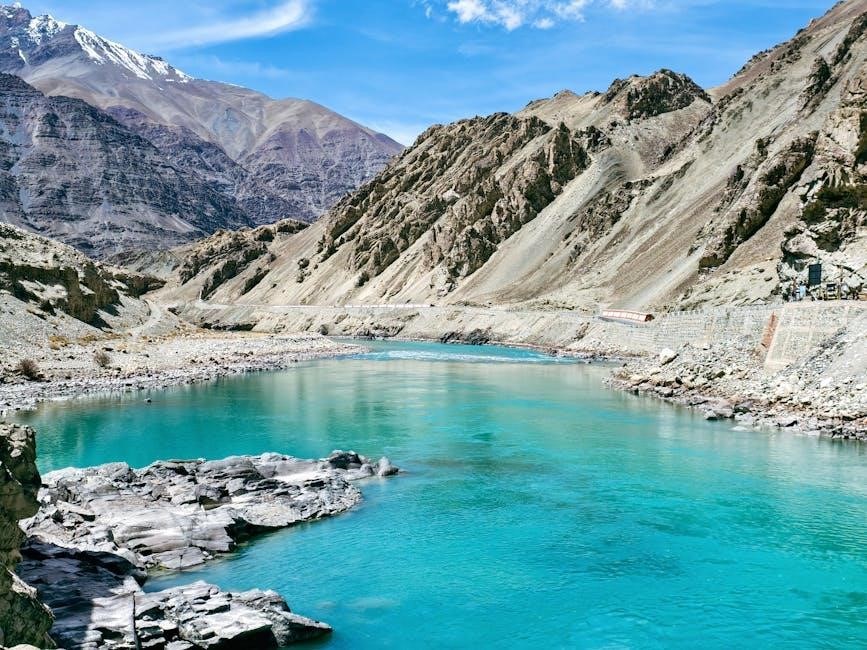
Understanding plate tectonics is fundamental to grasping India’s physical features, as detailed in NCERT Class 9 Geography Chapter 2 and associated PDF resources․ This theory explains that the Earth’s lithosphere is divided into several plates which float on the asthenosphere, the molten upper mantle․
These plates are constantly moving, interacting at their boundaries – converging, diverging, or transforming․ The movement causes earthquakes, volcanoes, and mountain formation․ India’s collision with the Eurasian Plate resulted in the formation of the Himalayas․ PDF notes from sources like Study Rankers summarize these concepts, offering a comprehensive overview of this crucial geological process and its impact on the Indian subcontinent’s landscape․
Formation of the Indian Landmass
The Indian landmass’s formation, as explained in Class 9 Geography Chapter 2 PDF materials, is a story of ancient geological processes․ Gondwana, a supercontinent, included India, which began drifting northward millions of years ago․ This northward drift, driven by plate tectonics, ultimately led to a collision with the Eurasian Plate․
This monumental collision birthed the Himalayas and caused the Indo-Gangetic Plain to form through the deposition of sediments․ NCERT resources and supplementary PDF notes from aglasem․com and Study Rankers detail this process, emphasizing the long and complex geological history shaping the Indian subcontinent’s unique physical features․ Understanding this history is key to appreciating India’s diverse landscape․
Types of Rocks and Their Significance
Class 9 Geography resources, including the NCERT textbook and readily available PDF notes, categorize rocks into three main types: igneous, sedimentary, and metamorphic․ Igneous rocks, formed from cooled magma, are foundational to many Indian landforms․ Sedimentary rocks, created from accumulated sediments, dominate the Northern Plains․
Metamorphic rocks, altered by heat and pressure, are prevalent in the Peninsular Plateau․ These rock types aren’t just geological classifications; they profoundly influence soil formation, river courses, and regional topography․ PDF study materials from sources like Study Rankers highlight how understanding these rock types is crucial for comprehending India’s diverse physical features and their ongoing evolution․
The Himalayan Mountains
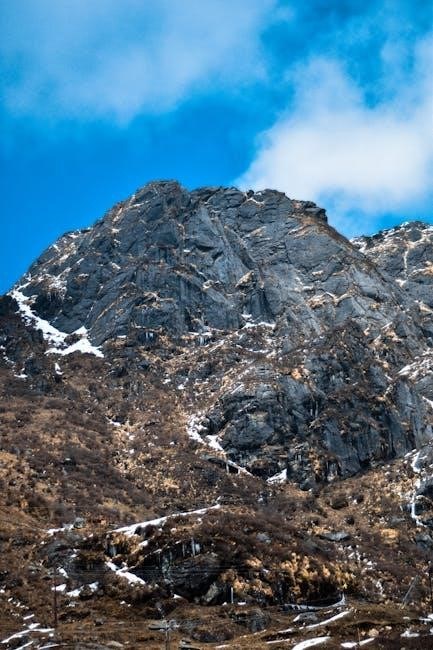
PDF resources detail the Himalayas’ formation, extent, and physiographic divisions, emphasizing their significance as a crucial physical feature of India․
Formation and Extent of the Himalayas
NCERT Class 9 Geography PDF materials explain the Himalayas’ formation through the theory of plate tectonics – specifically, the collision of the Indian and Eurasian plates․ This collision, occurring over millions of years, resulted in the folding and uplift of the landmass, creating these majestic mountains․
The PDF resources also detail the Himalayas’ extensive reach, spanning approximately 2,400 kilometers from west to east․ They stretch across India, Nepal, Bhutan, and parts of Pakistan and China․ Furthermore, the width varies, ranging from 150 to 400 kilometers․ Studying these PDFs provides a comprehensive understanding of the geological processes and geographical scope of this vital mountain range․
Physiographic Divisions of the Himalayas
NCERT Class 9 Geography PDF resources delineate the Himalayas into three longitudinal divisions: the Outer Himalayas (Shiwaliks), the Lesser Himalayas (Himachal), and the Greater Himalayas (Himadri)․ The PDFs explain that the Shiwaliks are the lowest and outermost range, composed of gravel and alluvium․
The Himachal, situated between the Shiwaliks and Himadri, features mixed geological formations and is known for its hill stations․ Finally, the Himadri, the highest and most continuous range, is perpetually covered in snow․ These PDF materials provide detailed descriptions of each division’s elevation, composition, and unique characteristics, aiding in a thorough understanding of Himalayan topography․
Significance of the Himalayas
Class 9 NCERT PDF materials highlight the Himalayas’ immense significance to India․ They act as a climate control barrier, preventing cold winds from entering and causing rainfall․ The mountain range is the source of major rivers like the Indus, Ganges, and Brahmaputra, providing vital water resources․
Furthermore, the PDFs emphasize the Himalayas’ role in agricultural prosperity through fertile alluvial soils․ They also serve as a natural defense frontier and are rich in forest resources․ Studying these PDFs reveals how the Himalayas profoundly influence India’s climate, water supply, agriculture, and overall ecological balance, making them crucial to the subcontinent’s well-being․
The Northern Plains
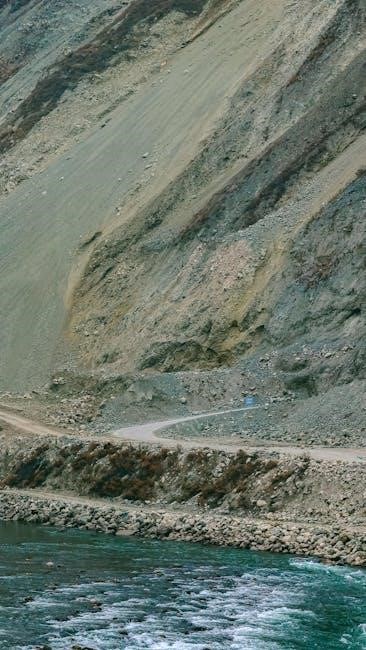
NCERT PDF resources detail the formation of these plains by river systems, outlining features like Bhabar, Terai, Bhangar, and Khadar terrains․
Formation of the Northern Plains
NCERT materials, available as a PDF, explain the Northern Plains’ origin from the Indo-Gangetic Basin․ This vast plain was formed by the deposition of sediments carried by the Himalayan rivers – Indus, Ganga, and Brahmaputra – over millions of years;
These rivers, originating in the Himalayas, eroded the mountains and transported alluvial deposits․ The gradual accumulation of these sediments created a fertile and expansive plain․ The PDF resources further detail how tectonic activity and the downwarping of the land contributed to the basin’s formation, providing a comprehensive understanding of this crucial geographical feature of India․ Studying these resources offers a clear picture of the plains’ geological history․
River Systems of the Northern Plains
The NCERT PDF for Class 9 Geography details the crucial role of river systems in shaping the Northern Plains․ The major rivers – Indus, Ganga, and Brahmaputra – along with their tributaries, form a complex network․ These rivers originate in the Himalayas and flow southwest, creating a fertile landscape․
The PDF explains how these rivers contribute to the plains’ irrigation and agricultural productivity․ It also outlines the different types of drainage patterns observed, like dendritic and radial․ Understanding these river systems is vital for comprehending the region’s geography and resource management, as highlighted in the downloadable study materials․
Features of the Northern Plains (Bhabar, Terai, Bhangar, Khadar)
The Class 9 NCERT PDF meticulously describes the distinct features of the Northern Plains, categorizing them into Bhabar, Terai, Bhangar, and Khadar․ The Bhabar is a porous, pebble-strewn region, while the Terai is a marshy, forested area․ The Bhangar represents older alluvial plains, characterized by terraces, and the Khadar consists of newer, fertile alluvial deposits․
These zones, detailed in downloadable resources like Study Rankers PDFs, showcase varying soil compositions and land use patterns․ Understanding these features is crucial for grasping the region’s agricultural potential and settlement patterns, as outlined in the chapter on India’s physical features․

The Peninsular Plateau
NCERT PDF resources detail the formation and extent of this plateau, alongside its divisions like the Deccan Plateau and Central Highlands․
Formation and Extent of the Peninsular Plateau
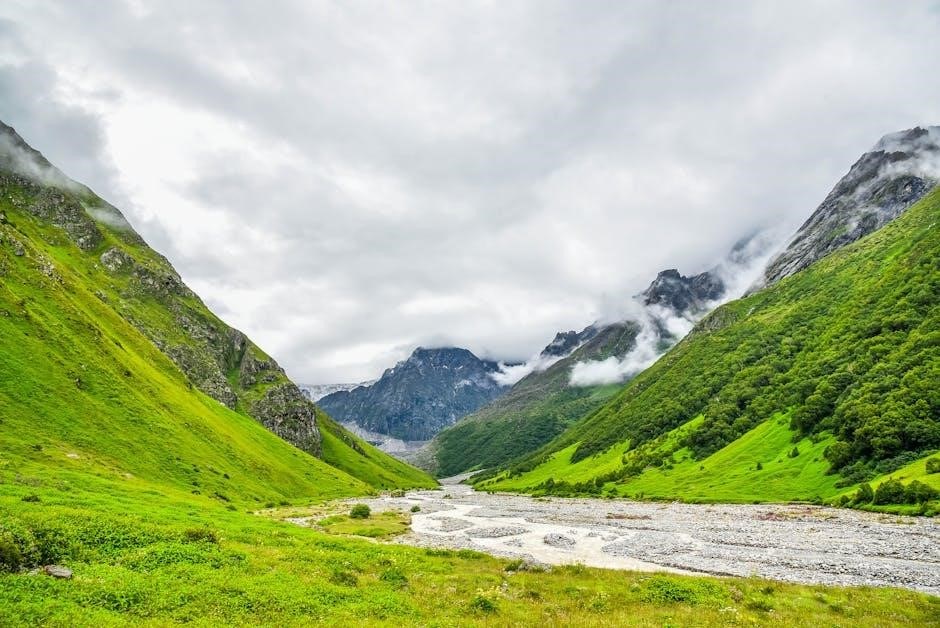
NCERT materials, available as a PDF download, explain the Peninsular Plateau’s origin from ancient Gondwana land․ This plateau is a tableland composed of igneous and metamorphic rocks․ It stretches southwards, covering a large portion of India, and is bordered by the Himalayas in the north․
The plateau’s formation involved multiple stages of geological activity over millions of years, resulting in its distinctive features․ Resources detail its extensive coverage across states like Maharashtra, Karnataka, Andhra Pradesh, Telangana, and Tamil Nadu․ Understanding its formation is crucial for grasping India’s diverse physical landscape, as presented in Class 9 Geography chapters and associated study materials․
Divisions of the Peninsular Plateau (Deccan Plateau, Central Highlands, etc․)
NCERT PDF resources for Class 9 Geography delineate the Peninsular Plateau into several divisions․ The Deccan Plateau, a prominent feature, covers a vast area, known for its volcanic basalt formations․ The Central Highlands, north of the Deccan, comprise the Malwa Plateau and Chota Nagpur Plateau, showcasing varied geological structures․
Other divisions include the North-Eastern Plateau and the Kathiawar Peninsula․ These regions differ in elevation, rock composition, and river systems․ Studying these divisions, as detailed in the textbook and supplementary materials, provides a comprehensive understanding of the plateau’s complex topography and its impact on regional climates and livelihoods․
Significance of the Peninsular Plateau
As detailed in Class 9 NCERT PDF materials, the Peninsular Plateau holds immense significance for India․ It’s the source of numerous rivers, including the Godavari, Krishna, and Kaveri, crucial for irrigation and agriculture․ The plateau is rich in mineral resources like coal, iron ore, and manganese, fueling industrial development․
Its stable geological structure makes it ideal for construction projects․ The black soil found here is excellent for cotton cultivation․ Furthermore, the plateau’s varied topography supports diverse ecosystems and provides habitats for unique flora and fauna, contributing significantly to India’s biodiversity and economic prosperity․
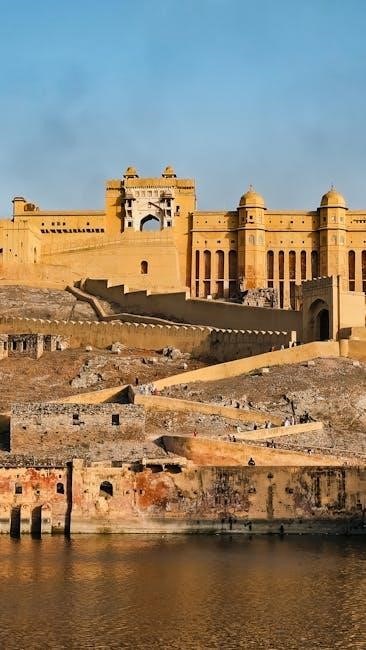
The Indian Desert
PDF resources for Class 9 Geography detail the Thar Desert’s location, formation, arid climate, and sparse vegetation, impacting local life and ecosystems․
Location and Formation of the Thar Desert
Class 9 PDF materials explain the Thar Desert’s location in northwestern India, extending into Pakistan․ Arid conditions arose from monsoon winds losing moisture before reaching the region․
Geological processes and the Aravalli Range’s rain shadow effect contributed to desert formation․ Ancient river systems once flowed through the area, but climate shifts led to aridity․
The desert covers parts of Rajasthan, Gujarat, Haryana, and Punjab․ Wind and water erosion shaped the landscape, creating dunes and unique landforms․ Studying these PDF resources provides a comprehensive understanding of the desert’s origins and geographical context within India’s physical features․
Climate and Vegetation of the Indian Desert
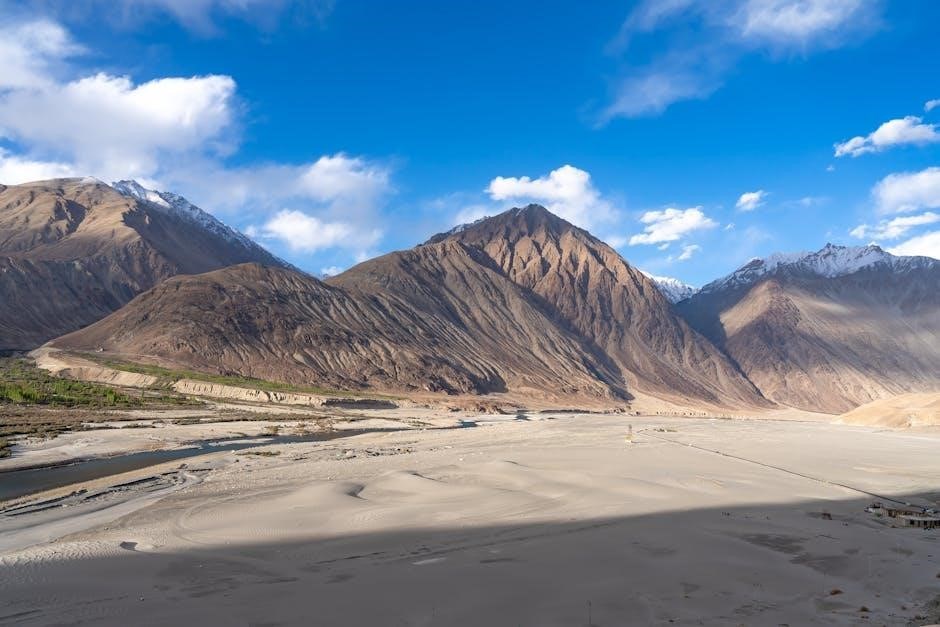
Class 9 PDF resources detail the Thar Desert’s extreme climate: scorching summers with temperatures exceeding 50°C and cold winters․ Rainfall is scarce and erratic, averaging below 250mm annually․
Vegetation is sparse and adapted to arid conditions, featuring thorny shrubs, grasses, and cacti․ Plants exhibit features like small leaves and deep roots to conserve water․ Acacia and Prosopis are common species․
The desert supports unique wildlife, including camels, reptiles, and various bird species․ Understanding the climate and vegetation is crucial when studying India’s diverse physical features, as outlined in the NCERT materials and supplementary PDFs․

The Coastal Plains
PDF resources cover India’s Eastern and Western Coastal Plains, detailing their features, formation, and significance within the nation’s broader physical geography․
Eastern Coastal Plains
Eastern Coastal Plains, as detailed in Class 9 geography PDF materials, are broader and less indented than their western counterparts․ These plains stretch from West Bengal to Tamil Nadu, formed by the depositional work of major rivers like the Mahanadi, Godavari, Krishna, and Kaveri․
The region is characterized by deltas, lagoons, and shallow inlets․ The PDF resources highlight the fertile alluvial soil, supporting agriculture, particularly rice cultivation․ Notable features include the Chilka Lake and Pulicat Lake․ The NCERT textbook and supplementary PDFs emphasize the impact of cyclones and monsoons on this coastal region, shaping its landscape and influencing the lives of its inhabitants․ Understanding these plains is crucial for comprehending India’s diverse physical features․
Western Coastal Plains
Western Coastal Plains, as explained in Class 9 geography PDF resources, are narrower and more uneven than the eastern plains․ They extend from Gujarat to Kerala, categorized into the Konkan Coast (Maharashtra and Goa) and the Malabar Coast (Karnataka and Kerala)․ The PDF materials detail how these plains were formed by the submergence of the Arabian Sea coast․
The Konkan Coast features estuaries and rocky outcrops, while the Malabar Coast is known for its lagoons and backwaters․ The NCERT textbook and associated PDFs emphasize the region’s rich biodiversity and economic importance, including fishing and tourism; Understanding the geological formation and unique characteristics of these plains is vital for a comprehensive grasp of India’s physical geography․
Features and Significance of Coastal Plains
Coastal Plains, detailed in Class 9 geography PDFs, exhibit diverse features like beaches, lagoons, and estuaries․ The eastern plains are broader with deltas formed by major rivers, while the western plains are narrower and rockier․ These plains, as outlined in NCERT materials, support agriculture – rice cultivation thrives due to fertile alluvial soil․
Their significance lies in providing natural harbors, facilitating trade, and supporting a dense population․ The PDF resources highlight the economic importance of fishing and tourism․ Understanding these plains’ features is crucial for comprehending India’s regional diversity and economic activities, as emphasized in the chapter’s learning objectives․

The Islands
India’s islands – Andaman & Nicobar and Lakshadweep – are detailed in Class 9 PDF resources, showcasing their unique features and strategic importance․
Andaman and Nicobar Islands
These islands, located in the Bay of Bengal, represent an extension of submerged mountains․ Detailed within Class 9 geography PDF materials, they are categorized into two groups: the Andaman Islands in the north and the Nicobar Islands in the south․
These islands possess a tropical rainforest climate and are known for their rich biodiversity, including coral reefs․ The PDF resources highlight their volcanic origin and mountainous terrain․ They are home to diverse flora and fauna, and indigenous tribes․
The islands are strategically important for India, serving as a military outpost and contributing to maritime security․ The NCERT PDF provides comprehensive information on their geological formation, climate, natural vegetation, and economic significance․
Lakshadweep Islands
Located in the Arabian Sea, the Lakshadweep Islands are coral formations, detailed within Class 9 geography PDF resources․ These islands represent small coral atolls, differing significantly from the Andaman and Nicobar Islands’ volcanic origin․ They are grouped into northern, central, and southern groups․
The PDF materials emphasize their unique ecosystem, characterized by coral reefs and sandy beaches․ They experience a tropical climate with abundant rainfall․ These islands support limited vegetation, primarily coconut trees and coastal shrubs․
Lakshadweep’s economy relies heavily on fishing and tourism․ The NCERT PDF provides insights into their formation, climate, vegetation, and the challenges they face due to rising sea levels and coastal erosion․
Importance of Indian Islands
Indian islands, covered in Class 9 geography PDFs, hold significant ecological and strategic value․ The Andaman and Nicobar Islands boast rich biodiversity, including rainforests and coral reefs, detailed in NCERT materials․ Lakshadweep’s coral atolls support unique marine ecosystems․
These islands contribute to India’s biodiversity and serve as crucial breeding grounds for various species․ Strategically, they enhance India’s maritime security and offer potential for economic development through tourism and fisheries․
The PDF resources highlight their role in climate regulation and coastal protection․ Understanding their geological formation and environmental sensitivity, as presented in the NCERT textbook, is vital for sustainable development․