Peddinghaus 510-DGA Miter Band Saw: A Comprehensive Guide
Locating the official Peddinghaus 510-DGA documentation is crucial for optimal operation and maintenance; resources include the manufacturer’s website and trusted machinery dealers.
The Peddinghaus 510-DGA miter band saw represents a significant investment for professionals demanding precision and efficiency in metal cutting. Accessing the official PDF manual is paramount for unlocking its full potential. This document provides detailed instructions, safety guidelines, and troubleshooting advice, ensuring safe and accurate operation.
Understanding the manual’s sections – from setup and material loading to maintenance and safety protocols – is vital. Dealers like Pioneer Machine Sales Inc. often provide access to these resources, alongside the machine itself. The manual details specifications, including blade types and motor requirements, crucial for optimal performance.
Properly utilizing the 510-DGA requires a thorough understanding of its features, and the PDF manual serves as the definitive guide for achieving consistent, high-quality results. It’s a build-to-order machine, so specific details are key.
What is a Miter Band Saw and its Purpose?
A miter band saw, like the Peddinghaus 510-DGA, is a specialized cutting tool designed for precise angle and straight cuts in metal. Unlike standard band saws, it excels at creating miter cuts – angled cross-sections – essential in fabrication and construction. The PDF manual details how to achieve these cuts accurately.
Its primary purpose is to efficiently separate steel and other metals, often as a crucial step in production. The 510-DGA’s dual-column design enhances stability and accuracy, features explained within the documentation. Understanding the manual’s guidance on blade selection and speed adjustment is key to maximizing its capabilities.
For many, it’s more than just a cutting device; it’s a vital component in a streamlined workflow. The manual ensures users can leverage its full potential.
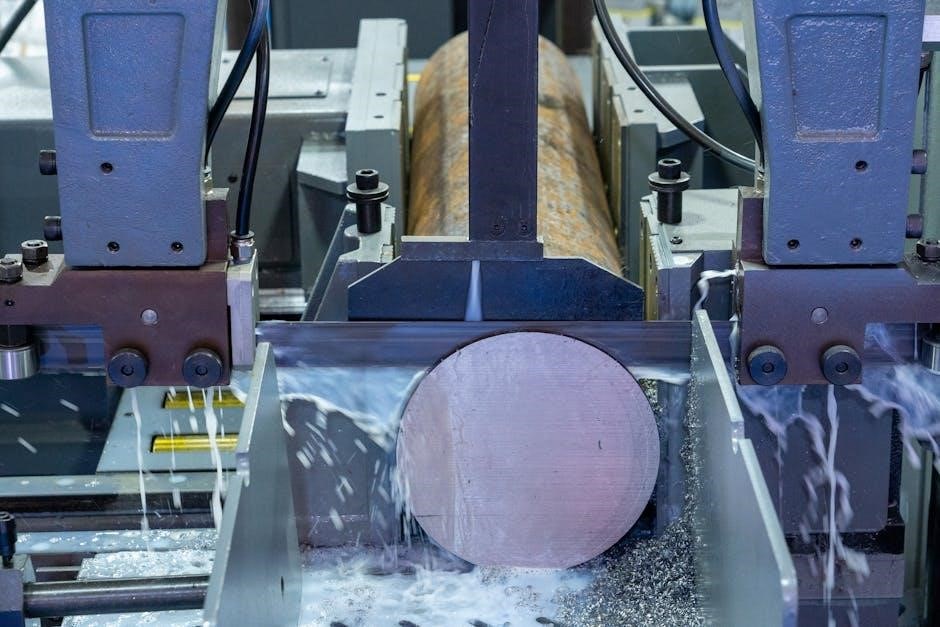
Key Features and Specifications
The Peddinghaus 510-DGA’s manual outlines its dual-column structure, automatic operation, and substantial cutting capacity, crucial details for informed usage.
Peddinghaus 510-DGA Model Overview
The Peddinghaus 510-DGA is a robust, dual-column, double miter, automatic horizontal band saw designed for precise and efficient metal cutting. Its build-to-order nature, as indicated by Pioneer Machine Sales, suggests customization options are available. The manual details its capabilities, emphasizing accuracy and production-level performance.
This model isn’t simply a cutting tool; it’s a vital component in streamlined fabrication processes. The PDF manual provides comprehensive insights into its features, including miter cutting functionality and automatic operation. Prestige Equipment’s listing highlights its advanced design. Understanding the manual is key to unlocking the saw’s full potential, ensuring optimal performance and longevity for demanding applications.
Technical Specifications: Detailed Breakdown
The Peddinghaus 510-DGA’s technical specifications, thoroughly outlined in its PDF manual, are critical for informed operation. While specific blade dimensions and motor voltage requirements are detailed within the documentation, the manual serves as the definitive source.
Understanding these specifications ensures proper setup and safe usage. The manual will clarify maximum cutting dimensions, crucial for project planning; It details the saw’s capabilities, including its dual-column and double miter features. Accessing the manual is essential for interpreting these technical details, guaranteeing optimal performance and preventing potential issues. It’s a vital resource for both novice and experienced operators.
Blade Dimensions and Types

The Peddinghaus 510-DGA’s PDF manual provides precise blade dimension specifications, essential for maintaining cutting accuracy and efficiency. It details compatible blade lengths, widths, and thicknesses, ensuring optimal performance.
The manual also outlines recommended blade types for various materials, including steel, aluminum, and other metals. Understanding these recommendations is crucial for achieving clean cuts and maximizing blade lifespan. Proper blade selection, guided by the manual, prevents damage to both the blade and the workpiece. Referencing the manual ensures compatibility and safe operation, avoiding potential hazards associated with incorrect blade usage.
Motor Power and Voltage Requirements
The Peddinghaus 510-DGA’s PDF manual meticulously details the motor’s power specifications and voltage requirements, vital for safe and efficient operation. It clearly states the horsepower (HP) rating, ensuring users understand the machine’s power capacity.
Crucially, the manual specifies the required voltage (e.g., 230V, 460V) and phase (single or three-phase), preventing electrical damage and ensuring proper functionality. Incorrect voltage application can void warranties and pose significant safety risks. The manual also includes wiring diagrams and safety guidelines related to electrical connections. Always consult the manual before connecting the saw to a power source, guaranteeing compliance and preventing potential hazards.
Cutting Capacity – Maximum Dimensions
The Peddinghaus 510-DGA’s PDF manual precisely outlines the machine’s cutting capacity, detailing the maximum dimensions of materials it can effectively process. This includes the maximum diameter of round stock, the height and width of rectangular stock, and the size of square tubing it can handle.
Understanding these limits is critical for preventing damage to the blade and ensuring accurate cuts. The manual often presents this information in a clear, tabular format for easy reference. Exceeding the specified capacity can lead to blade breakage, motor strain, and compromised cut quality. Always refer to the manual before attempting to cut any material, ensuring safe and optimal performance.
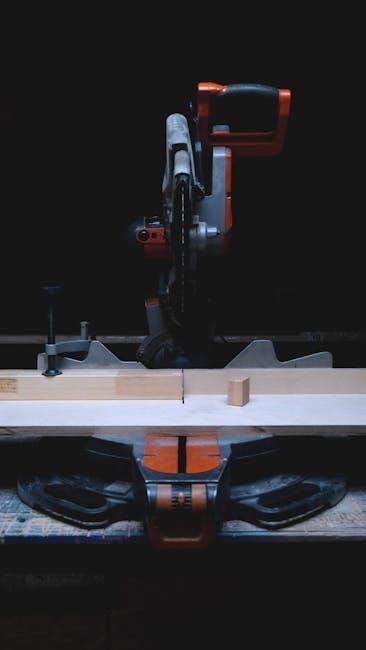
Operational Aspects
The Peddinghaus 510-DGA manual provides detailed instructions on setup, material securing, miter cuts, and parameter adjustments for diverse materials.
Setting Up the Peddinghaus 510-DGA
Before initial operation, consult the Peddinghaus 510-DGA manual for comprehensive setup guidance. This includes verifying proper electrical connections, ensuring the machine is level, and confirming all safety guards are securely in place.
The manual details the correct blade installation procedure, emphasizing tension and tracking adjustments for optimal performance. It also outlines the lubrication points and recommended fluids. Proper setup is paramount for achieving accurate cuts and extending the machine’s lifespan.
Pay close attention to the manual’s instructions regarding the miter scale calibration, as precise alignment is essential for accurate angled cuts. Familiarize yourself with the control panel functions and emergency stop locations as described in the documentation.
Loading and Securing Materials
The Peddinghaus 510-DGA manual provides detailed instructions on safely loading and securing materials. It emphasizes the importance of using appropriate support systems to prevent movement during cutting. Always ensure the workpiece is firmly clamped to the table, utilizing the provided vises and supports.
Refer to the manual for maximum material dimensions and weight limits to avoid overloading the machine. Proper material support is crucial for maintaining cutting accuracy and preventing blade damage. The documentation illustrates correct clamping techniques for various shapes and sizes of stock.
Never attempt to cut materials that exceed the saw’s capacity, and always double-check the security of the workpiece before initiating the cutting process, as outlined in the manual.
Making Accurate Miter Cuts
The Peddinghaus 510-DGA manual details the precise steps for achieving accurate miter cuts. It stresses the importance of correctly setting the miter angle using the saw’s adjustable scale and locking mechanisms. Calibration procedures, as described in the documentation, ensure the angle indicator is accurate.
The manual illustrates how to securely clamp the material at the desired miter angle, preventing movement during the cutting process. It also provides guidance on selecting the appropriate blade pitch for different materials and angles.
Always verify the miter angle before initiating the cut and refer to the manual’s troubleshooting section if inconsistencies arise. Precise adjustments, following the manual’s instructions, are key to achieving professional results.
Adjusting Cutting Parameters for Different Materials
The Peddinghaus 510-DGA manual provides a comprehensive chart detailing optimal cutting parameters for various materials. This includes recommended blade speed (RPM) and feed rate adjustments based on steel type, aluminum, or other metals.
The manual emphasizes the importance of selecting the correct blade pitch (TPI) for the material’s thickness and composition. It explains how to adjust the blade tension to prevent wandering or breakage during the cut.
Proper coolant application, as outlined in the manual, is crucial for heat dissipation and extending blade life. Refer to the manual’s guidelines for specific material recommendations and always prioritize safety when adjusting these parameters.
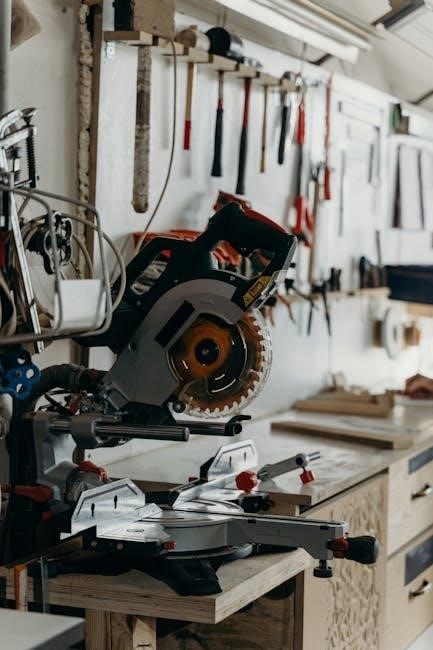
Maintenance and Troubleshooting
The Peddinghaus 510-DGA manual details routine maintenance, blade replacement, and solutions for common issues, ensuring optimal performance and longevity of the saw.
Routine Maintenance Procedures
Regular maintenance, as outlined in the Peddinghaus 510-DGA manual, is vital for consistent performance and extended machine life. Daily checks should include inspecting the blade for wear, ensuring proper tension, and verifying coolant levels.
Weekly tasks involve cleaning the saw’s frame and table to remove metal chips and debris, lubricating moving parts according to the manual’s specifications, and examining the blade guide system for proper alignment.
Monthly procedures encompass a thorough inspection of the motor, electrical connections, and hydraulic systems (if applicable). The manual provides detailed instructions for these checks, emphasizing the importance of using genuine Peddinghaus replacement parts. Following these guidelines minimizes downtime and maximizes the saw’s operational efficiency.
Blade Replacement Guide
The Peddinghaus 510-DGA manual provides a step-by-step guide for safe and efficient blade replacement. Begin by disconnecting the power supply and following lockout/tagout procedures. Carefully remove the blade guard and tensioning system components, referencing the manual’s diagrams.
Release the blade tension and detach the old blade, noting its routing through the guides. Clean the blade guides and wheels before installing the new blade, ensuring it’s correctly positioned and aligned.
Re-engage the tensioning system, verifying proper blade tension according to the manual’s specifications. Finally, reinstall the blade guard and perform a test run, checking for smooth operation and correct tracking. Always consult the manual for specific blade types and tensioning values.
Common Issues and Their Solutions
The Peddinghaus 510-DGA manual details troubleshooting for frequent problems. Cutting inaccuracies often stem from improper blade tension, misaligned guides, or dull blades – refer to the manual for adjustment procedures. Motor issues, like overheating or failure to start, may indicate voltage problems or worn brushes; the manual outlines electrical checks.
Excessive vibration can signal blade damage or imbalance, requiring replacement and careful balancing. Unusual noises often point to bearing wear or inadequate lubrication, detailed in the maintenance section.
Always consult the manual’s diagnostic charts before attempting repairs, and prioritize safety by disconnecting power before any inspection or maintenance.
Addressing Cutting Inaccuracies
The Peddinghaus 510-DGA manual provides detailed guidance for resolving cutting inaccuracies. Begin by verifying the miter angle setting and ensuring the saw’s table is level. Check blade tension; insufficient tension causes wandering, while excessive tension risks blade breakage. Inspect blade guides for proper alignment and wear, replacing them if necessary.
A dull or damaged blade is a common culprit – the manual specifies blade replacement procedures and recommended types. Confirm material clamping is secure to prevent movement during cutting.
Refer to the manual’s troubleshooting section for specific error codes or diagnostic steps related to cutting precision.
Troubleshooting Motor Problems
The Peddinghaus 510-DGA manual offers a systematic approach to diagnosing motor issues. First, verify the power supply and check for tripped circuit breakers or blown fuses. Consult the manual’s wiring diagrams to confirm correct electrical connections. If the motor hums but doesn’t turn, a capacitor issue is likely – the manual details capacitor testing procedures.
Overheating can trigger thermal overload protection; allow the motor to cool before restarting. The manual specifies proper ventilation requirements.
For more complex problems, refer to the manual’s troubleshooting charts and contact a qualified technician, referencing the model number (510-DGA) for accurate support.
Safety Precautions
The Peddinghaus 510-DGA manual emphasizes strict adherence to safety guidelines, including wearing appropriate PPE and understanding emergency stop procedures for safe operation.
Essential Safety Guidelines
Prior to operating the Peddinghaus 510-DGA, thoroughly review the comprehensive safety section within the official PDF manual. This document details critical precautions to prevent accidents and ensure operator well-being. Always disconnect power before performing maintenance or blade changes. Never operate the saw without all safety guards in place and functioning correctly.
Ensure a clear and unobstructed work area, free from debris and potential hazards. Proper material support is vital to prevent kickback during cutting. Operators must receive adequate training on the machine’s functions and safety protocols. Regularly inspect the blade for damage and sharpness, replacing it as needed. Be mindful of the blade’s movement and maintain a safe distance during operation. Adherence to these guidelines, as outlined in the manual, is paramount for a safe working environment.
Emergency Stop Procedures
The Peddinghaus 510-DGA’s PDF manual prominently features detailed emergency stop procedures, vital for immediate hazard control. Familiarize yourself with the location and operation of the emergency stop buttons – typically large, red, and easily accessible. In any situation where immediate shutdown is required, firmly press the nearest emergency stop button.
This will instantly cut power to the blade and motor. Do not attempt to restart the machine until the cause of the emergency has been identified and rectified. Following an emergency stop, a thorough inspection is necessary before resuming operation. The manual also outlines procedures for resetting the system after an emergency shutdown. Regularly test the functionality of the emergency stop buttons to ensure they are operational. Knowing these procedures, as detailed in the manual, can prevent serious injury.
Personal Protective Equipment (PPE)
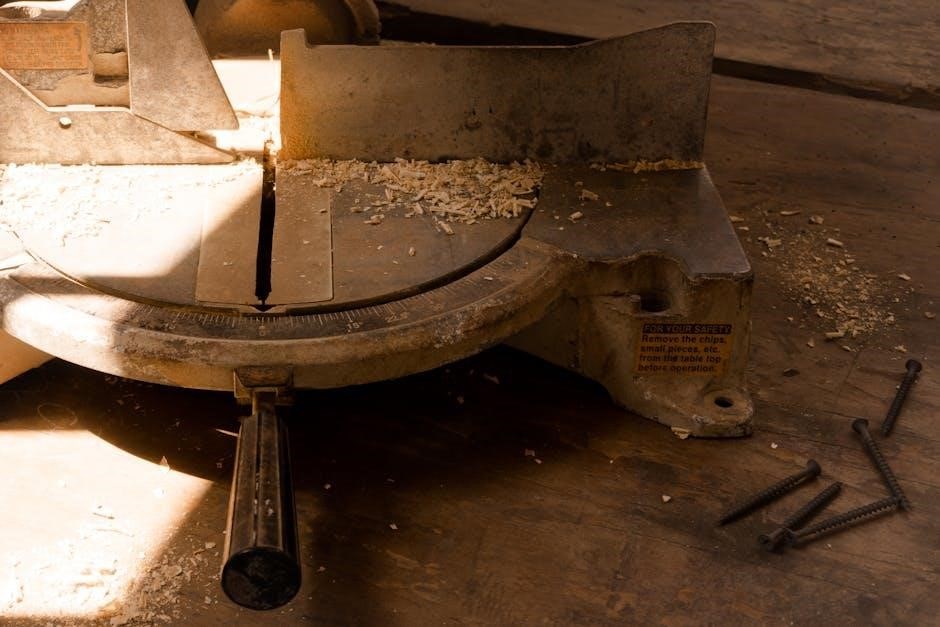
The Peddinghaus 510-DGA’s PDF manual emphasizes the mandatory use of appropriate Personal Protective Equipment (PPE) during operation. Safety glasses or a face shield are crucial to protect eyes from flying debris. Hearing protection, such as earplugs or earmuffs, is recommended due to the machine’s noise levels.
Sturdy, closed-toe footwear is essential to prevent foot injuries. Gloves, while sometimes necessary for handling materials, should be carefully chosen to avoid entanglement with the moving blade. Avoid loose clothing and jewelry that could pose a hazard. The manual details specific PPE requirements based on the task being performed. Always inspect PPE for damage before each use. Prioritizing PPE, as outlined in the manual, significantly reduces the risk of workplace accidents.
Applications and Industries
The manual highlights the 510-DGA’s versatility across steel fabrication, metalworking, automotive, and aerospace sectors, ensuring precision cutting for diverse projects.
Steel Fabrication and Construction
The Peddinghaus 510-DGA manual details its significant role in steel fabrication and construction, emphasizing accurate angle and mitre cuts essential for structural steel components.
It outlines procedures for efficiently processing beams, channels, and tubes, streamlining workflows on construction sites and in fabrication shops. The manual stresses the importance of proper blade selection, detailed within its pages, for various steel grades and thicknesses commonly used in building construction.
Furthermore, it provides guidance on maximizing cutting efficiency and minimizing material waste, directly impacting project costs. Understanding the manual’s instructions ensures compliance with industry standards and promotes safe operation when handling heavy steel materials, vital for both fabrication and on-site construction processes.
Metalworking and Manufacturing
The Peddinghaus 510-DGA manual is a vital resource for metalworking and manufacturing operations, detailing precise cutting techniques for diverse metal types. It covers optimizing the saw for materials beyond steel, including aluminum and alloys, crucial for varied manufacturing processes.
The manual’s sections on blade selection and speed adjustments are particularly relevant, ensuring clean cuts and extended blade life. It guides users through setting up the machine for repetitive cuts, enhancing production efficiency in manufacturing environments.
Detailed diagrams within the manual illustrate proper material clamping and securing methods, minimizing vibration and maximizing accuracy. Adhering to these guidelines ensures consistent part quality and reduces the risk of errors, ultimately improving overall manufacturing output and reducing waste.
Automotive and Aerospace Industries
The Peddinghaus 510-DGA manual is indispensable for precision cutting in automotive and aerospace applications, where tolerances are extremely tight. It provides guidance on achieving accurate miter cuts essential for creating complex components and assemblies.
Specific sections detail blade selection for various alloys commonly used in these industries, like titanium and high-strength steel, ensuring optimal performance and minimizing material waste. The manual’s troubleshooting guides address issues unique to these materials, like work hardening.
Understanding the manual’s instructions on coolant usage and chip evacuation is critical for maintaining cutting tool life and surface finish quality, vital for aerospace-grade components. Proper maintenance, as outlined, ensures consistent, reliable operation meeting stringent industry standards.
Finding the Peddinghaus 510-DGA Manual (PDF)
Accessing the official PDF manual is vital for safe and efficient operation; check the Peddinghaus website or reputable machinery dealers for downloads.

Where to Locate Official Documentation
Finding the official Peddinghaus 510-DGA manual in PDF format requires knowing where to look. The primary source is the Peddinghaus website itself, often within a dedicated support or downloads section. However, navigating these sites can sometimes be challenging.
Alternatively, authorized Peddinghaus dealers, like Pioneer Machine Sales Inc. and Prestige Equipment, frequently provide access to documentation for the machines they sell. Checking their websites or contacting their customer support teams is highly recommended.
Be cautious of unofficial sources, as these may contain outdated or inaccurate information. Always prioritize documentation directly from Peddinghaus or a verified distributor to ensure you have the most reliable guidance for operating and maintaining your 510-DGA miter band saw.
Understanding Manual Sections
The Peddinghaus 510-DGA manual is structured to guide users through all aspects of the machine. Key sections typically include detailed safety precautions, essential for preventing accidents during operation. Installation and setup instructions ensure correct assembly and initial configuration.
Operational procedures cover loading materials, making accurate cuts – including miter adjustments – and understanding cutting parameters for various metals. A dedicated maintenance section outlines routine procedures and blade replacement steps.
Troubleshooting guides address common issues, like cutting inaccuracies or motor problems, offering solutions to minimize downtime. Familiarizing yourself with these sections before operating the saw is crucial for safe and efficient performance.