Honeywell 6000 WiFi Installation Manual: A Comprehensive Plan
This manual details the installation of the Honeywell 6000 series‚ covering both WiFi and wired connections‚
emphasizing compatibility and troubleshooting for optimal performance.
The Honeywell 6000 series represents a leap in smart home technology‚ offering advanced control and convenience. This series‚ including models like the Focuspro 6000 and ZEN thermostat‚ is designed for both DIY enthusiasts and professional HVAC installers.
It prioritizes user-friendly installation and operation‚ alongside robust functionality. Compatibility with various hardware and software configurations is crucial‚ ensuring seamless integration into existing systems.
Understanding WiFi Connectivity Options
The Honeywell 6000 series leverages WiFi for remote access and control‚ offering a convenient alternative to traditional wired connections. Successful WiFi integration requires a stable home network and accurate credential entry. Troubleshooting common issues‚ like signal strength and incorrect passwords‚ is essential. Advanced settings allow for customization‚ while wired options remain available for enhanced reliability.
Pre-Installation Requirements
Before beginning‚ ensure your home WiFi network is operational and secure. Verify compatibility between the Honeywell 6000 and your router. Confirm you have the network name (SSID) and password readily available. Software and hardware must be compatible for proper function. A stable power supply is also crucial for a smooth installation process.
Gathering Necessary Tools and Materials
To begin‚ assemble a Phillips head screwdriver‚ a small flathead screwdriver‚ and potentially wire strippers. Ensure you have access to your home’s WiFi network credentials. The Honeywell 6000 thermostat itself‚ along with its accompanying mounting hardware‚ is essential. A mobile device or computer will be needed for configuration.

Step-by-Step WiFi Installation Guide
First‚ power on the Honeywell 6000 thermostat. Navigate to the network settings within the device’s menu. Initiate the WiFi connection process‚ allowing the thermostat to scan for available networks. Select your home network from the list presented. This guide will lead you through a seamless setup process.
Connecting to Your Home Network
Ensure your home WiFi network is active and broadcasting. On the Honeywell 6000‚ access the WiFi settings menu. The thermostat will scan for nearby networks; select yours from the displayed list. Verify the correct network name is chosen to establish a stable connection for remote control.
Entering WiFi Credentials
After selecting your network‚ a prompt will appear requesting your WiFi password. Carefully enter the password‚ paying attention to capitalization and special characters. Incorrect credentials are a common issue; double-check for errors. Successful entry establishes secure communication between the thermostat and your home network.
Troubleshooting Common WiFi Connection Issues
WiFi connectivity problems can arise during installation. Common issues include weak signal strength‚ incorrect passwords‚ or network incompatibility. This section provides solutions for these problems‚ guiding you through diagnostics and adjustments. Remember to verify network settings and ensure firmware is up-to-date for optimal performance and a stable connection.
Signal Strength and Range Considerations
Optimal WiFi performance relies on strong signal strength. Distance from the router‚ obstructions like walls‚ and interference from other devices impact range. Consider relocating the thermostat or router for improved connectivity. Utilize WiFi analyzers to assess signal strength and identify potential interference sources for a reliable connection.
Incorrect Password Errors
Double-check the WiFi password entered during setup; it is case-sensitive. Ensure Caps Lock is off and verify the correct password from your router’s settings. If issues persist‚ try re-entering the password slowly and carefully. Resetting the thermostat’s network settings and restarting the setup process can also resolve these errors.
Advanced WiFi Settings Configuration
Accessing advanced settings allows customization of the WiFi connection. This includes options for static IP assignment‚ DNS server configuration‚ and security protocol selection (WEP‚ WPA‚ WPA2). Modifying these settings requires a strong understanding of network configurations; incorrect adjustments may disrupt connectivity. Consult your network administrator if needed.
Wired Connection Alternatives
For enhanced reliability‚ consider a wired Ethernet connection. This bypasses WiFi interference and provides a stable link. While requiring physical cabling‚ it’s ideal for locations with poor WiFi signal strength. Ensure compatible hardware and network infrastructure are in place before proceeding with the wired setup‚ offering a robust alternative.
Firmware Updates and Compatibility
Maintaining up-to-date firmware is crucial for optimal performance and security. Regularly check Honeywell’s support website for available updates‚ ensuring compatibility with your specific model. Incompatible software and hardware can lead to malfunctions; verify PO (software) and AO (hardware) alignment before installation‚ as noted in documentation.
Honeywell Dolphin 6000 Data Sheet Relevance
While primarily for the handheld Dolphin 6000‚ its data sheet highlights Honeywell’s commitment to robust device functionality. This indirectly informs the 6000 series thermostat’s build quality and expected performance. Remember‚ this document isn’t an installation guide; refer to dedicated instructions for complete operational and maintenance details.
ZEN Thermostat Installation Considerations

The ZEN thermostat‚ designed for both DIY enthusiasts and HVAC professionals‚ requires careful attention to wiring configurations. Customization is key‚ ensuring compatibility with your specific system. Proper installation is crucial for optimal performance and avoiding issues. Always verify software (PO) and hardware (AO) compatibility before proceeding.
Software and Hardware Compatibility
Ensuring seamless operation necessitates verifying compatibility between the Honeywell 6000’s software (PO) and hardware (AO) components. Mismatches‚ like those between IL-NT-AMF25 PO and AO‚ can hinder functionality. Regular updates are vital‚ as paper manuals quickly become outdated due to rapid technological advancements.
Debugging WiFi Connection Issues (Thermostat Focus)
Addressing WiFi connectivity problems with your Honeywell thermostat involves accessing its advanced settings. The documentation highlights debugging procedures for heating thermostats specifically. This process allows users to diagnose and resolve connection failures‚ ensuring reliable remote control and scheduling capabilities for optimal home comfort management.
Safety Precautions During Installation
Prior to installation‚ ensure power is completely disconnected to the HVAC system to prevent electrical shock. The ZEN thermostat is designed for both DIY and professional installers‚ but caution is paramount. Always adhere to local electrical codes and regulations‚ and if unsure‚ consult a qualified HVAC technician for assistance.
This guide provides detailed steps for Honeywell 6000 WiFi setup‚ covering network connection‚ troubleshooting‚ and compatibility with ZEN thermostats and Dolphin devices.
The Honeywell 6000 series represents a significant advancement in home comfort and control‚ offering integrated WiFi capabilities for remote access and management. This series‚ including models like the Focuspro 6000‚ is designed for both DIY enthusiasts and professional HVAC installers. Compatibility with devices like the Dolphin 6000 is key‚ alongside ZEN thermostat integration. Proper installation‚ utilizing this manual‚ ensures optimal performance and access to advanced features‚ avoiding reliance on outdated paper documentation.
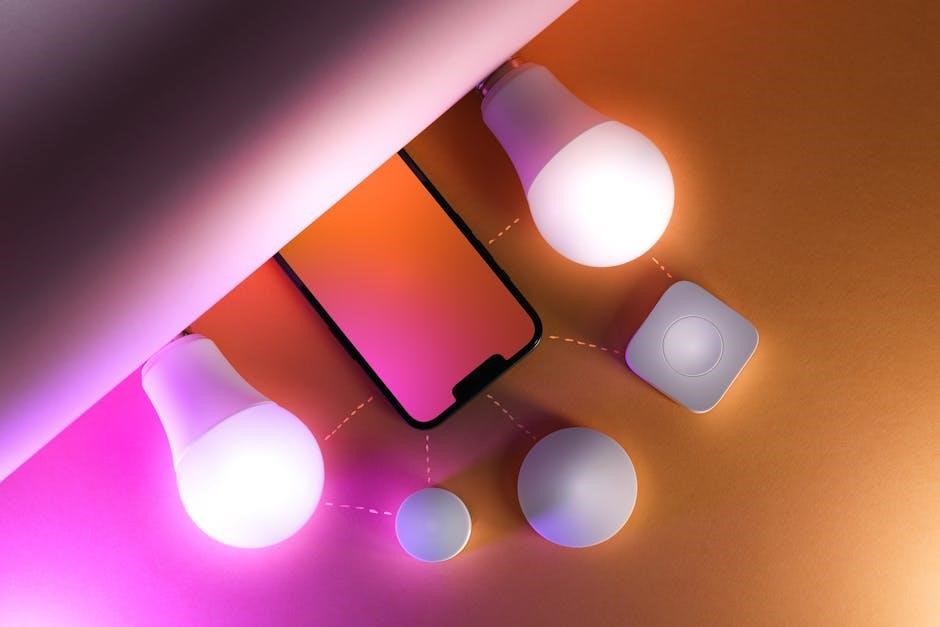
The Honeywell 6000 series leverages 2.4 GHz WiFi for reliable connectivity‚ enabling remote thermostat control and monitoring. While WiFi is primary‚ wired alternatives exist for enhanced stability; Successful connection requires compatible hardware and software (PO and AO alignment is crucial). Understanding signal strength and range is vital‚ as is correctly entering WiFi credentials during setup. Troubleshooting guides address common issues like incorrect passwords.
Before beginning‚ ensure your home network is active and stable. Verify WiFi signal strength at the thermostat’s location. Confirm compatibility between the Honeywell 6000 and your router. Have your network name (SSID) and password readily available. The ZEN thermostat is designed for both DIY and professional installation‚ requiring basic HVAC knowledge.
You will require a screwdriver‚ wire strippers‚ and potentially a drill for mounting. Ensure you have access to your router’s settings. The Honeywell 6000 installation may necessitate wire connectors. Confirm software and hardware compatibility – PO and AO must align for full functionality. A stable power source is also essential during setup.
Begin by powering on the Honeywell 6000 thermostat. Access the device’s settings menu‚ navigating to the WiFi configuration section. Initiate the network search‚ selecting your home network from the available options. This guide assists DIY customers and HVAC installers alike‚ ensuring a smooth installation process for optimal control.
Ensure your home WiFi network is active and broadcasting. From the thermostat’s WiFi settings‚ select your network’s SSID. The device will scan for available networks; choose yours from the displayed list. Confirm compatibility between the thermostat’s software (PO) and hardware (AO) for a stable connection‚ avoiding functional issues.
After selecting your network‚ a prompt will appear requesting your WiFi password. Input the credentials carefully‚ paying attention to capitalization. Incorrect entries lead to connection failures; double-check for accuracy. The system may offer a ‘show password’ option. Successful entry initiates the connection process‚ establishing communication with your home network.
Connectivity problems can arise during installation. Common issues include weak signal strength‚ incorrect passwords‚ or network incompatibility. Begin by verifying the WiFi password and router functionality. Ensure the thermostat is within range. If problems persist‚ consult advanced settings or consider a wired connection as an alternative solution for reliable operation.
Optimal WiFi performance relies on strong signal strength. Distance from the router‚ obstructions like walls‚ and interference from other devices impact connectivity. Position the thermostat strategically‚ minimizing distance and obstacles. Consider a WiFi range extender if the signal is weak‚ ensuring reliable communication between the thermostat and your home network.
Double-check the WiFi password entered during setup; it is case-sensitive. Ensure Caps Lock is off and verify the correct characters. If issues persist‚ attempt to connect another device to the WiFi network using the same password to confirm its validity. Resetting the thermostat’s network settings may also resolve the problem.
Accessing advanced settings allows customization of the WiFi connection. Users can modify IP address assignment (static or DHCP)‚ adjust security protocols‚ and configure network settings for optimal performance. These options are found within the thermostat’s menu‚ enabling fine-tuning for specific network environments and troubleshooting complex connectivity issues.
For reliable connectivity‚ consider a wired Ethernet connection as an alternative to WiFi. This bypasses potential wireless interference and signal strength limitations. While requiring physical cabling‚ a wired setup offers a stable‚ secure connection‚ particularly beneficial in environments with poor WiFi coverage or high network congestion.
Maintaining up-to-date firmware is crucial for optimal performance and security. Regularly check Honeywell’s support website for available updates‚ ensuring compatibility with your specific 6000 model. Incompatible software and hardware can hinder functionality; verify PO (software) and AO (hardware) alignment before installation‚ as noted in documentation.
While primarily for the handheld Dolphin 6000‚ its data sheet highlights Honeywell’s commitment to robust device support. This document shouldn’t be used as a direct installation guide‚ but it underscores the importance of referencing official instructions for complete operation and maintenance details‚ especially regarding connectivity.
The ZEN thermostat is designed for both DIY enthusiasts and professional HVAC installers‚ requiring careful attention to specific wiring configurations. Customization is key‚ ensuring compatibility with existing systems. Proper installation is crucial for optimal performance and reliable WiFi connectivity‚ avoiding potential issues during setup and operation.
Ensuring compatibility between the software (PO) and hardware (AO) is paramount for full functionality. For example‚ the IL-NT-AMF25 PO must pair with the IL-NT AMF25 AO. Incompatible combinations will result in limited features or complete operational failure‚ hindering the WiFi connection and overall system performance.
Addressing WiFi issues often involves accessing the thermostat’s advanced settings. The document highlights instructions for debugging connection problems‚ crucial for a stable link. This process requires understanding the specific wiring configuration of the ZEN thermostat‚ customized for each installation‚ to ensure proper network integration and functionality.
Prioritize safety during installation; improper handling can lead to issues. Ensure power is disconnected before wiring‚ and always follow established HVAC procedures. Compatibility between software (PO) and hardware (AO) – like IL-NT-AMF25 – is vital for correct function. Ignoring this can cause malfunctions‚ so verify before proceeding.