The French Ministry of Sports released a PDF guide titled ‘Guide je peux pratiquer des activités physiques et sportives pendant ma grossesse et après l’accouchement’ (2023). It offers evidence‑based training plans for pregnant women, emphasizing safety, gradual progression, and post‑partum recovery. Safe. Go!
Safety Guidelines for Exercising During Pregnancy
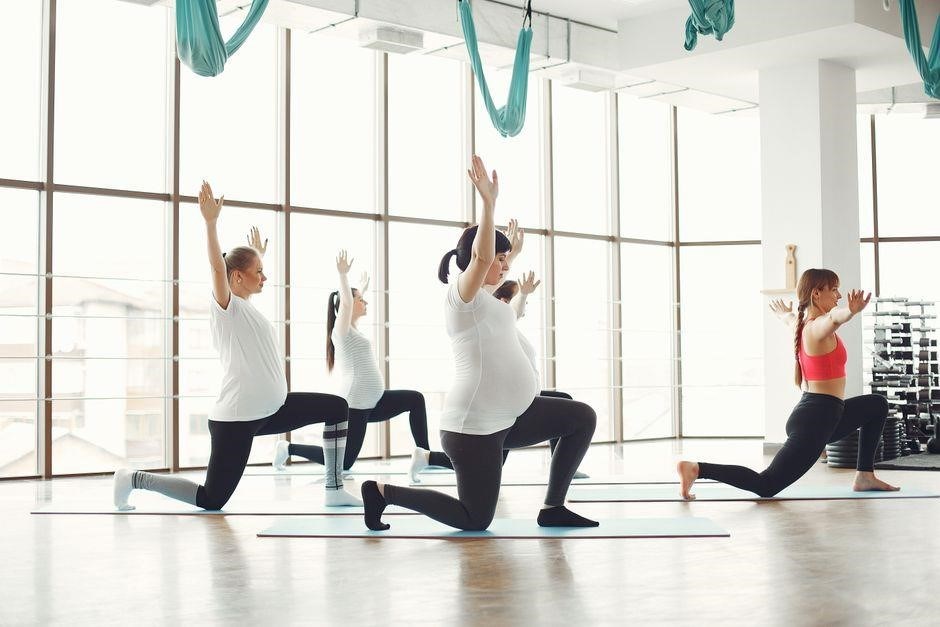
The Ministry’s PDF stresses medical clearance, monitoring heart rate, avoiding high impact, staying hydrated, and listening to body signals. It recommends moderate intensity, 150 minutes weekly, and warns against overheating and dehydration. Follow professional advice for safe training. Stay below 40% max HR!
Screening and Medical Clearance
Before beginning any training program, the guide emphasizes a comprehensive medical assessment. Pregnant women should obtain clearance from their obstetrician or midwife, ensuring no contraindications such as uncontrolled hypertension, pre‑eclampsia, or placenta previa. The Ministry’s PDF recommends a baseline evaluation of cardiovascular fitness, joint stability, and core strength. A simple screening questionnaire is provided to identify risk factors: history of miscarriage, gestational diabetes, or chronic pain. If any red flags appear, the program should be modified or postponed. The guide also advises regular follow‑ups every 4–6 weeks to monitor fetal growth and maternal well‑being. Women with high‑risk pregnancies may need a tailored plan developed in collaboration with a sports physiologist. The document stresses the importance of informed consent, explaining potential benefits and risks, and encourages open communication between the athlete and healthcare team. By adhering to these screening protocols, the program ensures safety while maximizing the positive effects of exercise on maternal and fetal health. The guide also recommends periodic reassessment of weight gain, blood pressure, and fetal heart rate, integrating these metrics into the training log to adjust intensity accordingly. It underscores the role of a multidisciplinary team, including a physiotherapist to tailor exercises that accommodate evolving biomechanical changes throughout gestation. This proactive approach helps prevent and supports maternal‑fetal outcomes
Risk Factors and Contraindications
According to the Ministry of Sports PDF, a pregnant athlete’s training plan must first identify risk factors that could compromise maternal or fetal safety. Key indicators include chronic hypertension, pre‑eclampsia, uncontrolled gestational diabetes, and a history of preterm labor. Multiple gestations and placenta previa also elevate the risk of bleeding or abruptio placentae, making high‑impact or contact sports inadvisable. Cardiovascular conditions such as arrhythmias or heart failure, severe anemia, and significant musculoskeletal pain or instability are listed as absolute contraindications to vigorous activity. The guide recommends a stepwise screening questionnaire to flag these concerns; if any red flag appears, the program should be modified or postponed until medical clearance is obtained. Additionally, the document warns against exercises that place excessive load on the abdomen or involve sudden changes in position, as these can trigger uterine contractions in susceptible women. Women with a history of cervical insufficiency or who have undergone a prior cesarean section should avoid high‑intensity or high‑impact movements until the uterus has fully healed. The PDF also advises that any exercise routine be tailored to the individual’s baseline fitness level, with gradual progression in volume and intensity. By systematically assessing and documenting risk factors and contraindications, the program ensures that training remains both effective and safe for the expectant mother and her developing baby and balance.
Recommended Physical Activities
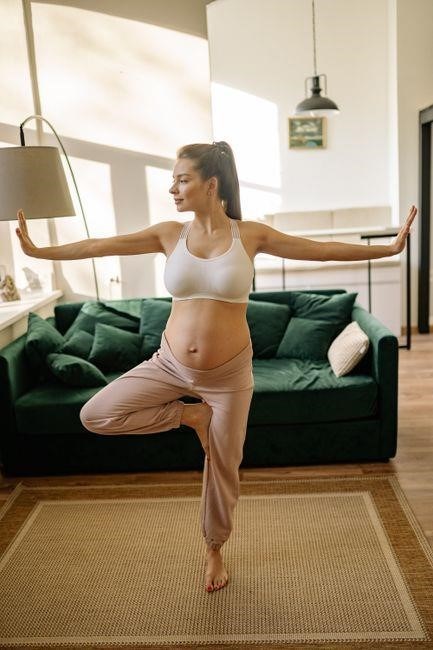
Safe, low‑impact activities are favored: brisk walking, stationary cycling, gentle swimming, prenatal yoga, and light resistance training with low‑weight bands. Pelvic‑floor exercises and core stability work support posture and reduce back pain. Always monitor heart rate and stay hydrated. Keep breathing. OK
Aerobic and Cardiovascular Exercises
According to the 2023 French Ministry of Sports PDF guide, aerobic training during pregnancy should prioritize moderate‑intensity, low‑impact activities that maintain a heart rate below 140 bpm or 70% of age‑based maximum. Walking on a level surface, using a stationary bike, or swimming are recommended options. The guide emphasizes gradual progression: start with 10–15 minutes per session and increase by 5 minutes each week, aiming for 150 minutes of moderate activity weekly, spread over at least three days. Continuous monitoring of perceived exertion via the Borg Scale (11–13) ensures safety. Hydration, avoiding overheating, and wearing supportive footwear are essential. Pregnant athletes should also incorporate interval training with brief 30‑second bursts followed by 60‑second recovery periods, but only after medical clearance. The guide advises avoiding high‑impact or contact sports, steep inclines, and activities with a high risk of falling. Finally, post‑exercise cool‑down and gentle stretching help maintain flexibility and reduce muscle soreness.
The guide also recommends monitoring core temperature, avoiding high‑altitude training, and ensuring proper nutrition with adequate iron and calcium intake. Pregnant women are advised to use a heart‑rate monitor or perceived exertion scale to keep effort within safe limits. Training sessions should be scheduled during the day when the body is warm, and rest breaks should be taken every 15–20 minutes. These guidelines help ensure a safe and effective aerobic routine daily!.
Strength and Resistance Training
The 2023 French Ministry of Sports guide recommends that pregnant women incorporate light to moderate resistance training to preserve muscle mass and support pelvic floor health. Exercises should target major muscle groups with 1–2 sets of 10–15 repetitions, using body‑weight, resistance bands, or light dumbbells (≤5 kg). The guide advises avoiding heavy loads, high‑intensity plyometrics and exercises that increase intra‑abdominal pressure, such as heavy squats or deadlifts. Instead, focus on controlled movements, proper breathing, and maintaining a neutral spine. Core stability drills, like modified planks and pelvic tilts, are encouraged to strengthen the abdominal wall without excessive strain. Frequency should be 2–3 sessions per week, allowing at least 48 hours of recovery between sessions. Progression is achieved by adding small increments of resistance or repetitions, not by increasing load abruptly. Monitoring for dizziness, shortness of breath, or abnormal pain is essential; any adverse symptoms warrant immediate cessation and medical consultation. Additionally, the guide emphasizes the importance of pelvic floor exercises (Kegels) integrated into the routine to prevent urinary incontinence and support postpartum recovery. Proper hydration, balanced nutrition, and adequate rest complement the strength program, ensuring overall maternal and fetal well‑being. The guide also recommends using resistance bands with varying tension levels, ensuring that the stretch does not exceed 30 degrees to avoid joint hypermobility. Use light bands or body‑weight for safe progression daily.OK
Exercise Prescription Parameters
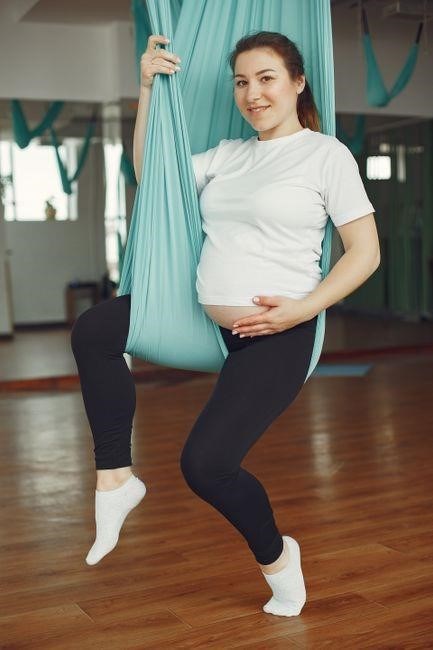
The guide recommends 2–3 sessions weekly, 30–45 min each, moderate intensity (60–70% HRmax). Use RPE 11–13, monitor via pulse or perceived effort. Progress by adding light resistance or extra reps, not by increasing load abruptly. Rest 48 h between sessions. Stay strong.
Frequency and Duration of Sessions
The Ministry of Sports PDF outlines a structured approach to session planning for pregnant athletes. It recommends a minimum of two sessions per week during the first and second trimesters, increasing to three sessions during the third trimester if obtained daily. Each session should last between 30 and 45 minutes, with a 5‑minute warm‑up and 5‑minute cool‑down to mitigate risk of over‑exertion now. The total weekly training volume should not exceed 150 minutes in the first trimester, 180 minutes in the second, and 210 minutes in the third, allowing for progressive overload while respecting physiological adaptations. For those returning after inactivity, the guide advises a gradual ramp‑up: start with 20‑minute sessions, one or two times a week, adding 5 minutes every two weeksdaily. This strategy helps prevent musculoskeletal strain and supports cardiovascular conditioning. The document also stresses the importance of aligning session frequency with individual fitness levels, ensuring rest days are scheduled to accommodate recovery and hormonal fluctuations. Adherence to these guidelines promotes maternal health, fetal safety, and smoother transition to post‑partum activity. The guide further specifies that intensity should remain within the moderate zone, measured by heart rate or perceived exertion. It recommends scheduling sessions on non‑consecutive days for recovery. Core stability exercises are highlighted as essential for pelvic floor support. Any increase in duration or frequency should be evaluated by a qualified healthcare professional to ensure safety for both mother and baby
Intensity Levels and Monitoring Techniques
The Ministry of Sports PDF recommends maintaining exercise intensity within a moderate range to safeguard maternal cardiovascular function and fetal oxygenation. A practical method is the “talk test”: during moderate activity, one should be able to converse in short sentences but not sing. Heart‑rate monitoring is advised, with target zones set at 50–70 % of the calculated maximum (220 – age). For pregnant women, the maximum is adjusted downward by 10 % per trimester to account for increased cardiac output. The guide also endorses perceived exertion scales (Borg RPE 11–13) as a reliable, non‑instrumental gauge. Continuous monitoring of blood pressure, pulse, and breathing pattern is essential; any sudden spike or irregularity warrants cessation. The document stresses the importance of hydration and temperature control, recommending a pre‑exercise fluid load of 500 ml and a post‑exercise cool‑down with light stretching. For those with pre‑existing conditions, a healthcare professional should calibrate individualized thresholds. The PDF further advises using wearable technology sparingly, ensuring data accuracy and avoiding over‑reliance on devices that may misinterpret physiological changes. In summary, intensity should remain moderate, monitored by talk test, heart‑rate, RPE, and vital signs, with adjustments made in real time to preserve safety and efficacy throughout pregnancy training. Adhering to these guidelines ensures a balanced approach that supports maternal health, fetal development, and a smooth transition to post‑partum fitness, fostering confidence resilience mothers.
Warm‑Up and Cool‑Down Strategies
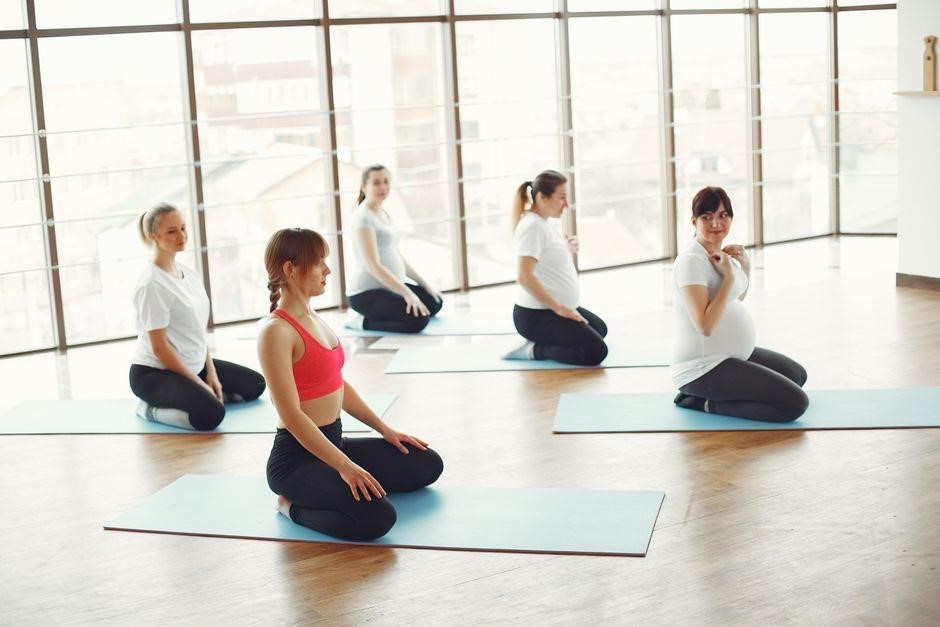
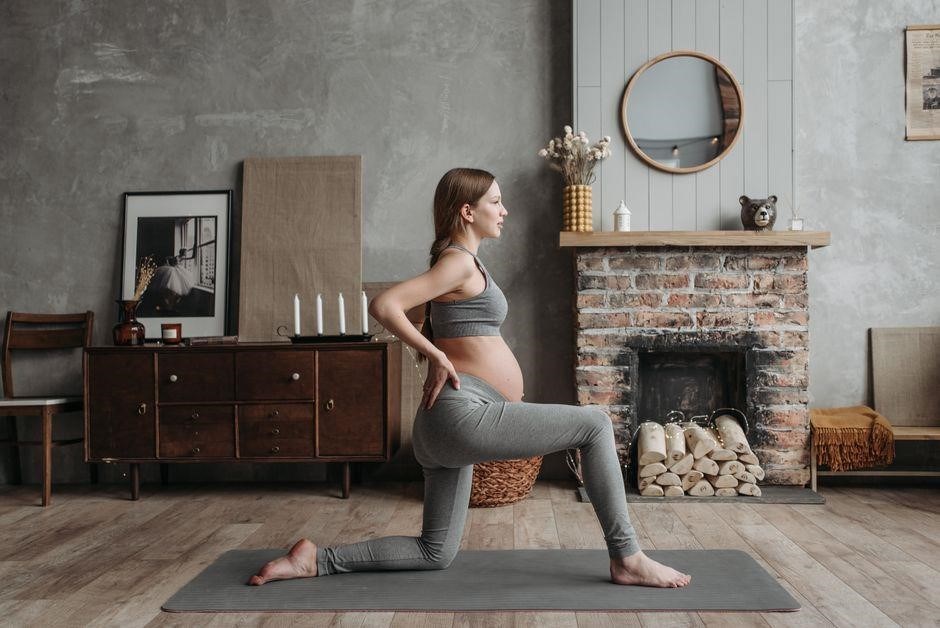
The French Ministry of Sports PDF outlines a structured warm‑up routine lasting 5–10 minutes, focusing on low‑impact movements such as marching in place, gentle arm circles, and ankle rolls to increase blood flow without overstressing the joints. The warm‑up should raise heart rate to 50–60 % of the target range, preparing the cardiovascular system for moderate exercise. Following the warm‑up, the main session should incorporate dynamic stretches targeting the hip flexors, glutes, and lower back, which are particularly susceptible to strain during pregnancy.
Cool‑down periods mirror the warm‑up in duration, emphasizing slow, controlled breathing and static stretches held for 15–30 seconds each. The guide recommends gentle quadriceps, hamstring, and calf stretches, as well as diaphragmatic breathing to promote relaxation and reduce post‑exercise soreness. Throughout both phases, monitoring of perceived exertion and pulse is advised to ensure the body returns to baseline safely. Adequate hydration before, during, and after the session is highlighted as essential for maintaining blood volume and preventing dizziness.
In addition, the PDF advises avoiding sudden changes in position, especially from lying to standing, to mitigate orthostatic hypotension. A supportive mat and a stable surface are recommended for all movements. By adhering to these warm‑up and cool‑down protocols, pregnant athletes can enhance performance, reduce injury risk, and promote overall well‑being during training.

Equipment and Environmental Considerations
The French Ministry of Sports guide recommends specific equipment to support safe training during pregnancy. A stable, non‑slip mat is essential for floor exercises, while supportive footwear with good arch support reduces impact on the lower limbs. Resistance bands with light to moderate tension allow for safe strength work without heavy loads, and adjustable dumbbells enable gradual progression. For cardiovascular sessions, a stationary bike or elliptical trainer is preferred over running to minimise joint stress. The guide also advises using a heart‑rate monitor or perceived exertion scale to keep intensity within the recommended 50–70 % of maximum heart rate, avoiding overexertion.
Environmental factors play a key role. Training should occur in a well‑ventilated area with a comfortable temperature (20–22 °C) to prevent overheating. Adequate lighting and a clutter‑free space reduce injury risk. If exercising outdoors, choose a shaded path with a flat surface and avoid extreme weather. Hydration stations should be within reach. The guide emphasizes the importance of a supportive partner or trainer during sessions, especially for high‑intensity movements, to ensure correct form and immediate assistance if needed.
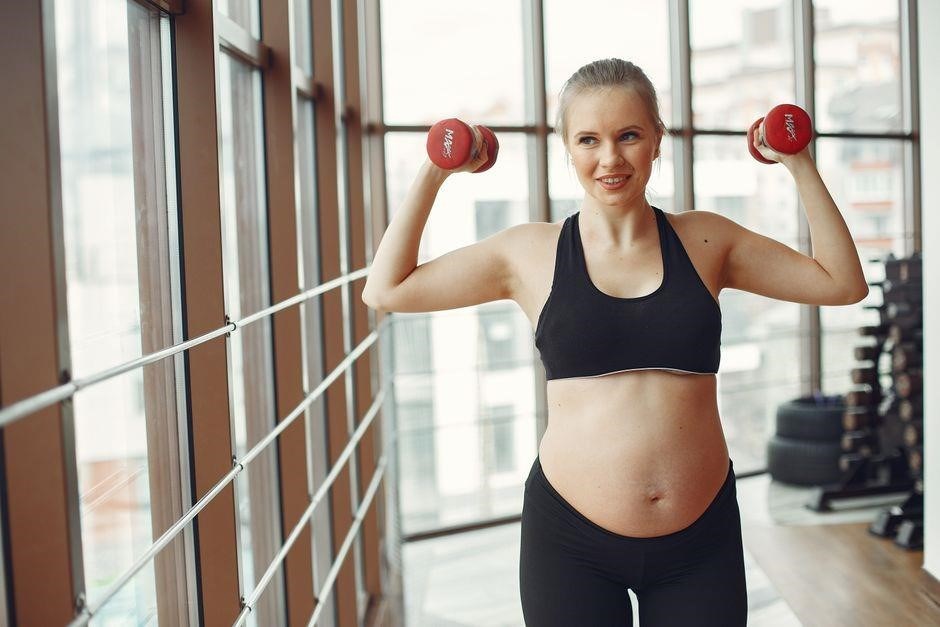
Environmental factors play a key role. Training should occur in a well‑ventilated area with a comfortable temperature (20–22 °C) to prevent overheating. Adequate lighting and a clutter‑free space reduce injury risk. If exercising outdoors, choose a shaded path with a flat surface and avoid extreme weather. Hydration stations should be within reach. The guide emphasizes the importance of a supportive partner or trainer during sessions, especially for high‑intensity movements, to ensure correct form and immediate assistance if needed!!
Finally, the PDF highlights the use of a exercise app or printed program that includes and the milestones, allowing the athlete to track progress and adjust load safely!! By combining equipment with a controlled environment, pregnant women can maintain an effective training routine.
Post‑partum Training and Recovery
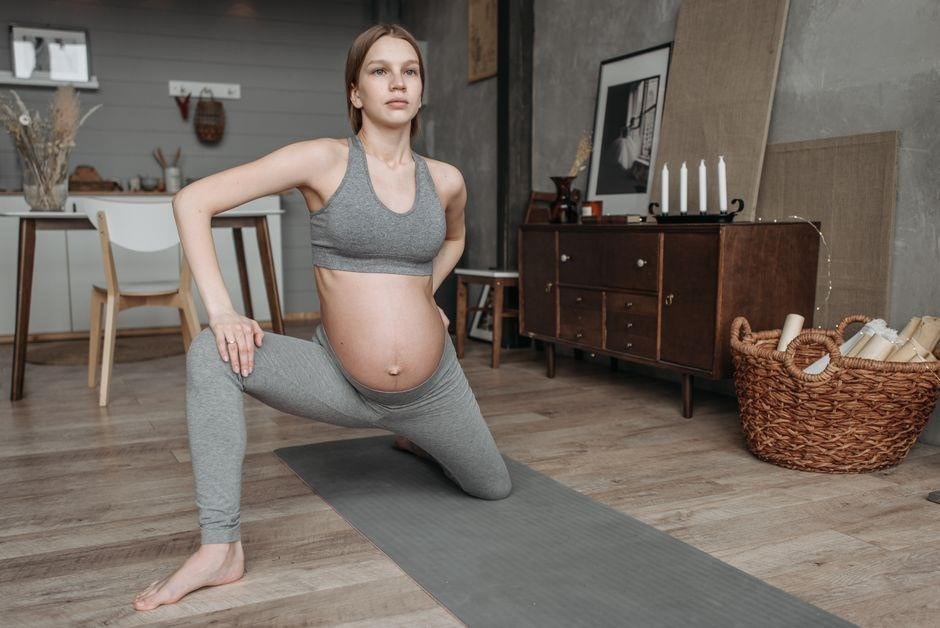
The French Ministry of Sports guide outlines a structured return‑to‑exercise protocol for new mothers, emphasizing gradual re‑introduction and core restoration. Within the first 6–8 weeks postpartum, low‑impact aerobic activities such as walking or stationary cycling are recommended, with a target of 20–30 minutes, 3–4 times per week. The guide stresses the importance of monitoring pelvic floor function, suggesting gentle Kegel exercises integrated into warm‑up routines to rebuild support and prevent incontinence.

Strength training should focus on light resistance bands or body‑weight movements, avoiding heavy loads until the pelvic floor and abdominal wall have fully recovered. The protocol advises a 2–3 day rest interval between sessions and the use of a perceived exertion scale to keep intensity at 40–60 % of maximum effort. Core stabilization drills, such as modified planks and bird‑dog exercises, are introduced after the first month, ensuring proper alignment and avoiding excessive intra‑abdominal pressure.
Recovery strategies highlighted include adequate hydration, balanced nutrition rich in protein and calcium, and sufficient sleep. The guide also recommends regular postpartum check‑ups to assess healing and adjust the program. Mind‑body practices like gentle yoga or tai chi are encouraged for stress reduction and flexibility, provided they are performed under qualified supervision. Overall, the postpartum training plan prioritizes safety, gradual progression, and holistic recovery to support both maternal health and newborn care. Always seek professional guidance daily!!.
Professional Resources and References (Guide from French Ministry of Sports PDF)
The French Ministry of Sports released a comprehensive guide titled “Guide je peux pratiquer des activités physiques et sportives pendant ma grossesse et après l’accouchement” in April 2023. This 58‑page PDF consolidates evidence from obstetrics, gynecology, sports science, and public health to provide safe, effective training plans for pregnant and postpartum women. The authorship includes midwives, obstetricians, gynecologists, and exercise physiologists, ensuring multidisciplinary expertise.
Key references cited in the guide are the American College of Obstetricians and Gynecologists (ACOG) recommendations, the World Health Organization (WHO) guidelines on maternal exercise, and the International Association for the Study of Pain (IASP) criteria for resistance training safety. It also incorporates peer‑reviewed studies from the Journal of Obstetric, Gynecologic & Neonatal Nursing, the European Journal of Sport Science, and the British Journal of Sports Medicine, supporting the benefits of moderate aerobic activity, core strengthening, and pelvic‑floor rehabilitation.
For clinicians and exercise professionals, the PDF offers downloadable worksheets, session templates, a risk‑assessment checklist, and links to the French national e‑learning platform “Sport Santé.” It lists contact details for regional sports‑health coordinators and encourages collaboration between obstetric care teams and certified exercise physiologists. The guide promotes a holistic, multidisciplinary approach to maternal fitness.
Researchers can access the full PDF through the Ministry’s official website: https://www.sports;gouv.fr/sites/default/files/2023-04/guide-je-peux-pratiquer-des-activites-physiques-et-sportives-pendant-ma-grossesse-et-apres-l-accouchement.pdf. An English summary is appended in the final chapter, making the guide a definitive reference for safe training during pregnancy and the postpartum period. The guide is freely available and serves as a cornerstone for evidence‑based practice worldwide. Accessible to all.